
Lucknow and the Indian Rebellion of 1857
Witness the fierce resistance and pivotal events that unfolded in Lucknow during India's First War of Independence.
Uncover the UprisingThe Spark of Rebellion: The Annexation of Awadh
The Indian Rebellion of 1857, often referred to as India's First War of Independence, was a watershed moment in the subcontinent's history. While it ignited across various parts of North India, Lucknow, the capital of Awadh, played an exceptionally central and dramatic role. The seeds of discontent in Awadh were sown long before the actual uprising, primarily due to the British East India Company's aggressive expansionist policies. The final blow came in 1856 when Lord Dalhousie, the then Governor-General, annexed the prosperous state of Awadh on the pretext of 'misgovernance', dethroning its beloved Nawab, Wajid Ali Shah. This act, perceived as a gross injustice, deeply alienated the local populace, including the nobility, landowners (talukdars), and a significant number of sepoys (Indian soldiers) who hailed from Awadh, setting the stage for a furious backlash.

The Uprising Begins: Begum Hazrat Mahal's Leadership
When the rebellion erupted in Meerut in May 1857, its flames quickly spread to Lucknow. The city became a hotbed of anti-British sentiment. The leadership of the rebellion in Awadh was notably taken up by Begum Hazrat Mahal, one of the wives of the exiled Nawab Wajid Ali Shah. She declared her young son, Birjis Qadr, as the Nawab and effectively took control, rallying both the common people and discontented sepoys. Her charisma and determination galvanized the resistance, turning Lucknow into a formidable stronghold against the British. Her proclamation and efforts to restore indigenous rule resonated deeply with the masses.
More on Begum Hazrat Mahal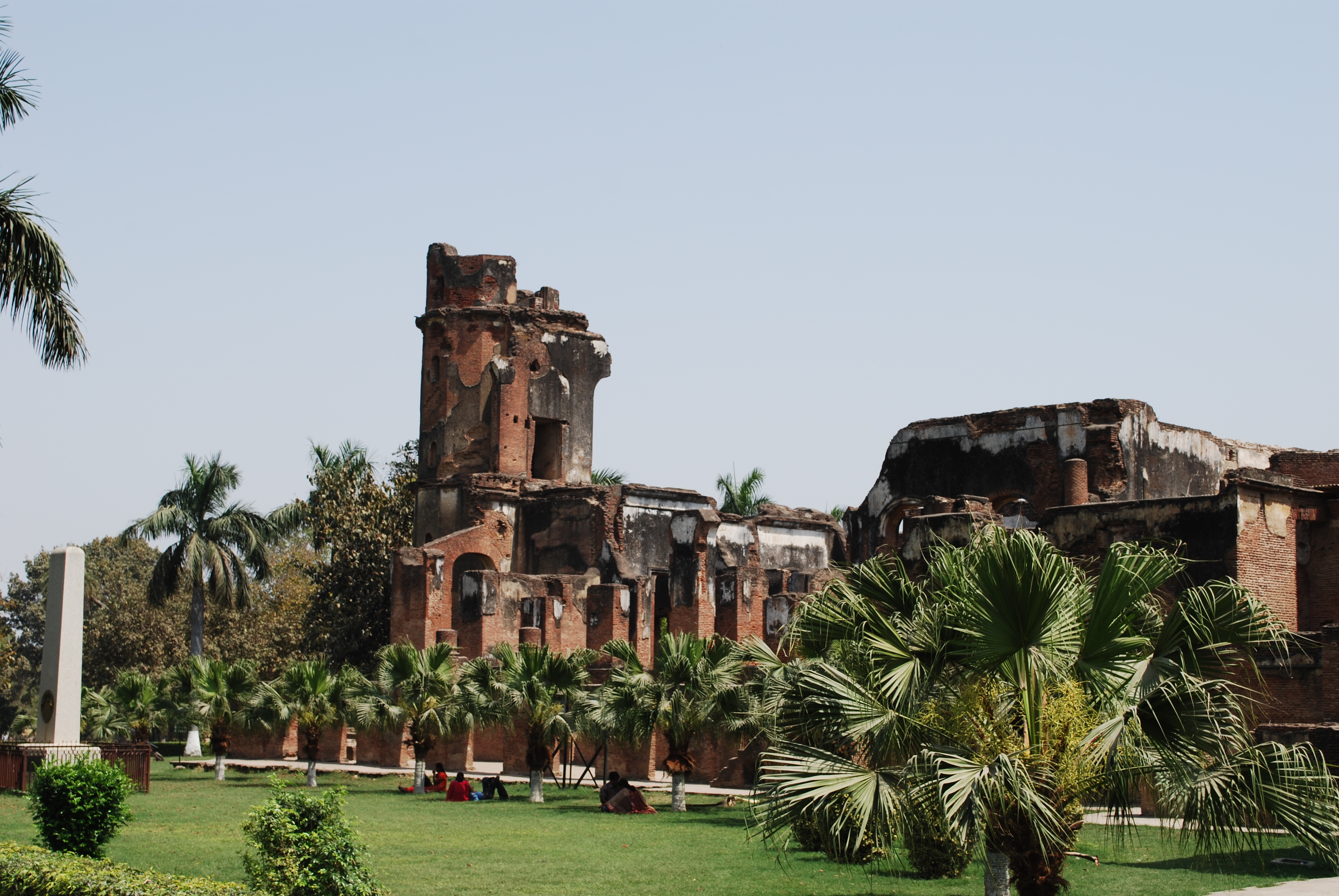
The Epic Siege of The Residency
The most iconic event of the rebellion in Lucknow was the prolonged and brutal Siege of the Lucknow Residency. From July 1857 to November 1857, a small garrison of British soldiers and civilians, along with loyal sepoys, were besieged by a large force of Indian rebels. The Residency compound, a complex of buildings including the Chief Commissioner's house, served as their last bastion. The siege was marked by relentless fighting, mining and counter-mining operations, and immense hardship for those trapped inside. The courage and resilience shown by both sides made it one of the most celebrated and tragic episodes of the entire uprising. The ruins of the Residency stand today as a poignant memorial to the events of 1857.
Visit The Residency Today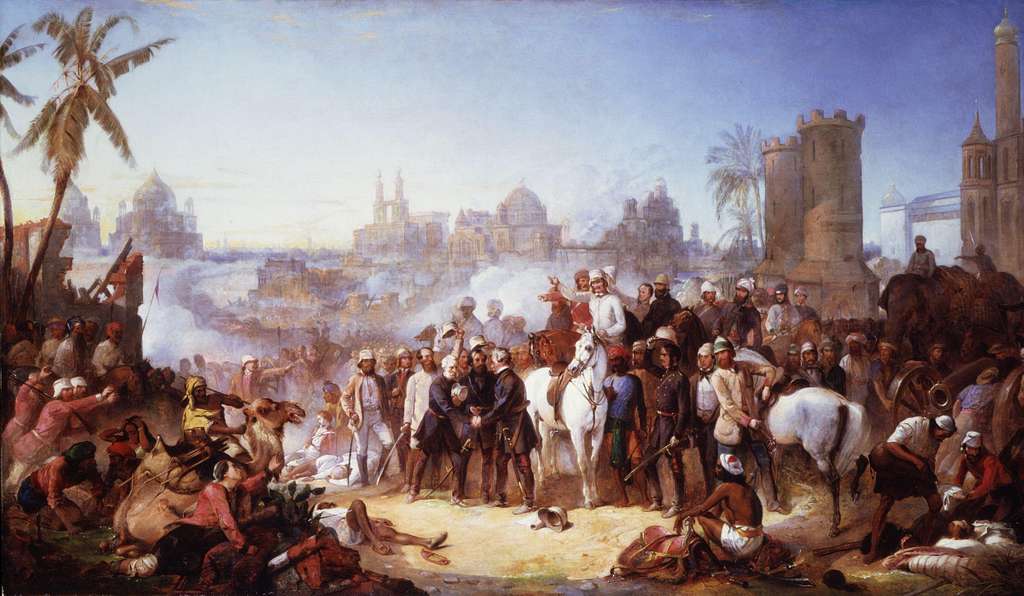
Relief and Recapture: A Costly Victory
Two major British relief efforts were launched to break the siege. The first, led by Sir Henry Havelock and Sir James Outram, managed to reach the Residency in September 1857 but found themselves also besieged. It was only with the arrival of a larger force under Sir Colin Campbell in November 1857 that the garrison was finally evacuated. The city, however, remained largely in rebel hands. A full-scale campaign to recapture Lucknow was launched in March 1858, leading to some of the most brutal fighting of the entire rebellion before the city was finally brought back under British control. The cost in human lives on both sides was immense.
Overview of the Indian Mutiny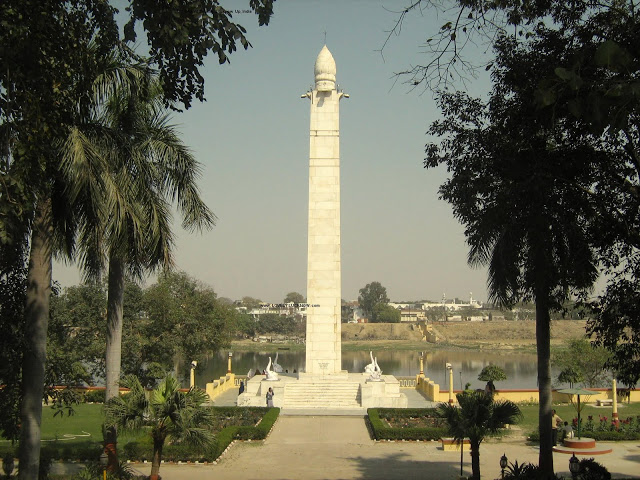
An Enduring Symbol of Resistance
The 1857 Rebellion, and particularly Lucknow's role in it, profoundly impacted the course of Indian history. It led to the transfer of power from the East India Company directly to the British Crown and ignited a stronger sense of nationalism among Indians. For Lucknow, the events of 1857 are a testament to its people's courage and a painful reminder of colonial oppression. The city's scarred monuments, especially the Residency, serve as powerful memorials, drawing visitors who seek to connect with this pivotal moment in India's struggle for independence. The spirit of resistance from this era continues to inspire.
History of Indian Independence Movement