
Tourist Places in Lucknow: Unveiling the City's Charms
From magnificent historical monuments to serene green spaces, discover the must-visit attractions of the City of Nawabs.
Start Your TourLucknow: A City of Architectural Grandeur & Historical Echoes
Lucknow, often called the 'City of Nawabs', is a captivating blend of historical grandeur and modern vibrancy. Its rich past, particularly the Nawabi era and the tumultuous 1857 Rebellion, has left an indelible mark on its landscape, manifesting in magnificent architectural marvels and poignant historical sites. Beyond its historical treasures, Lucknow also offers serene green spaces, vibrant markets, and a culinary scene that is a tourist attraction in itself. Whether you're a history buff, a nature lover, or a food enthusiast, Lucknow has something unique to offer every visitor.
Architectural Wonders & Historical Landmarks
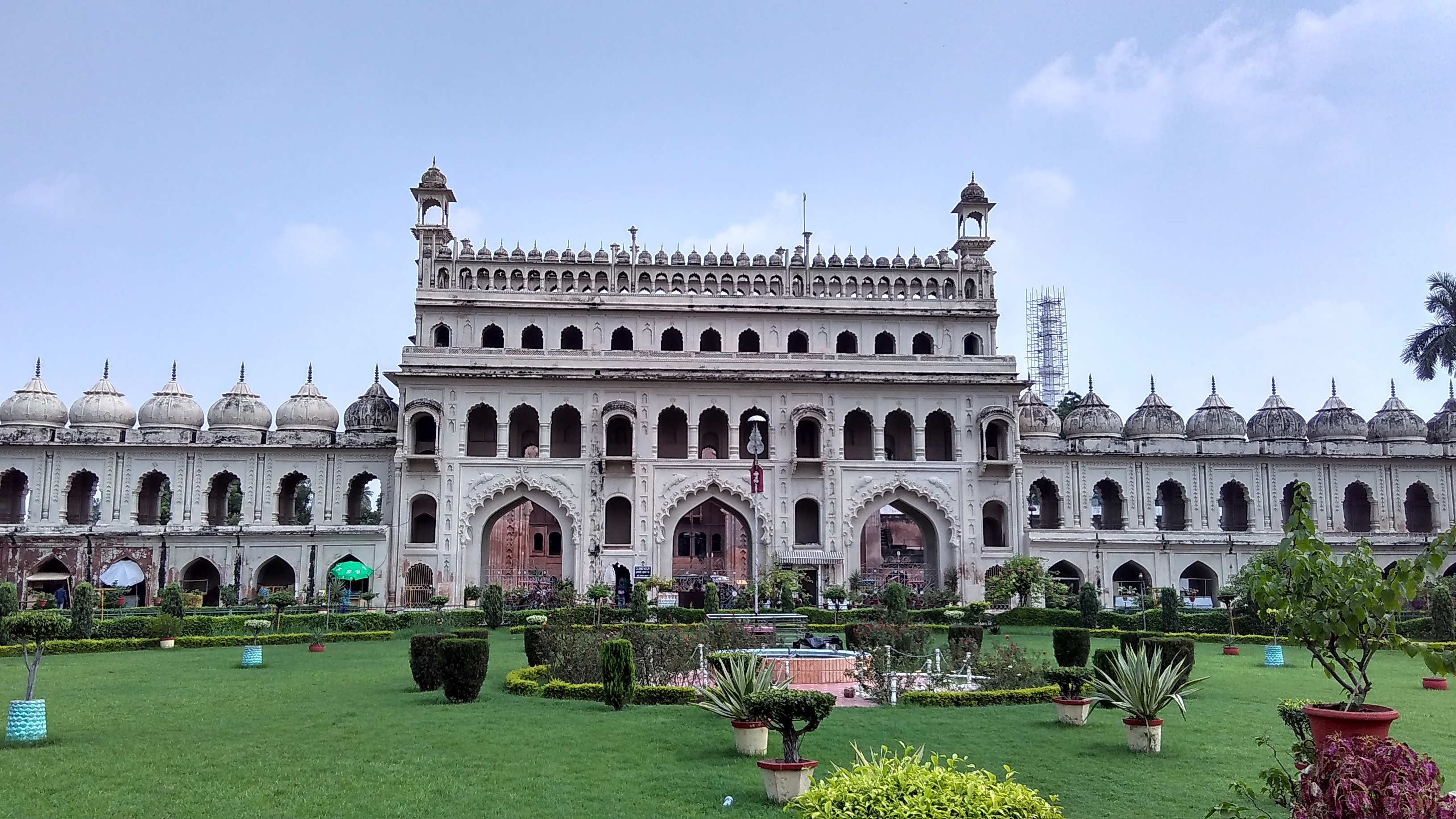
Bara Imambara & Bhulbhulaiya
A grand complex built by Nawab Asaf-ud-Daula, famous for its central hall (reportedly the largest arched hall in the world without any beams) and the intriguing Bhulbhulaiya (Labyrinth), a dense maze of interconnected passages. It also houses the Asfi Mosque and Shahi Baoli.
Learn More Full Description Page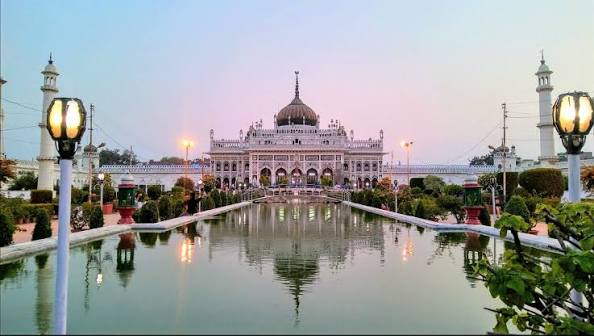
Chota Imambara (Imambara Hussainabad)
Also known as the Palace of Lights due to its elaborate chandeliers and decorations, this beautiful monument was built by Muhammad Ali Shah. It houses the tombs of the Nawab and his mother, and its intricate gold-plated domes and calligraphy are a sight to behold.
Learn More Full Description Page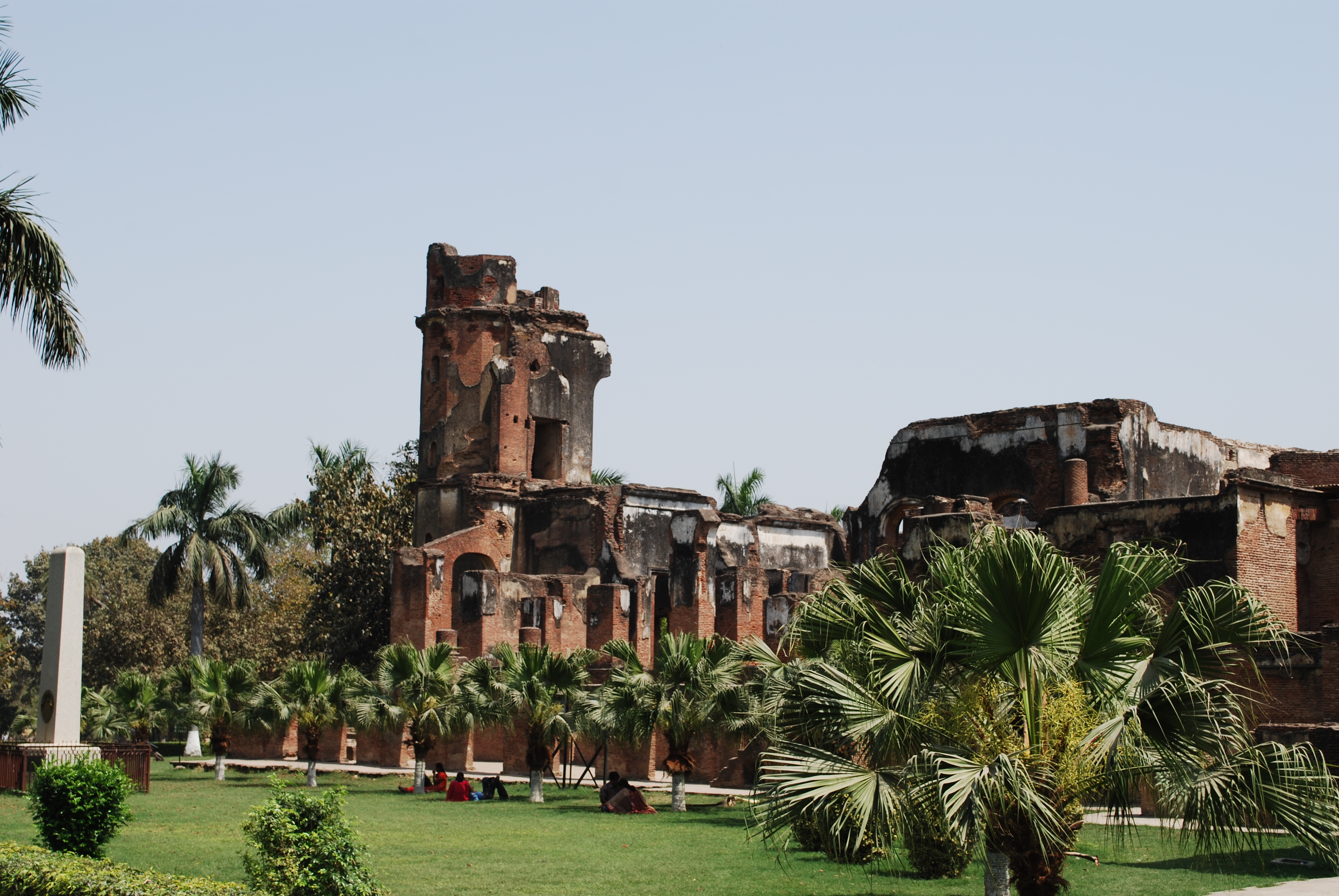
The Residency
A poignant historical complex that served as a refuge for the British during the 1857 Rebellion. Its scarred walls and ruins stand as a powerful testament to the fierce siege and the sacrifices made, offering a deep dive into colonial history.
Learn More Full Description Page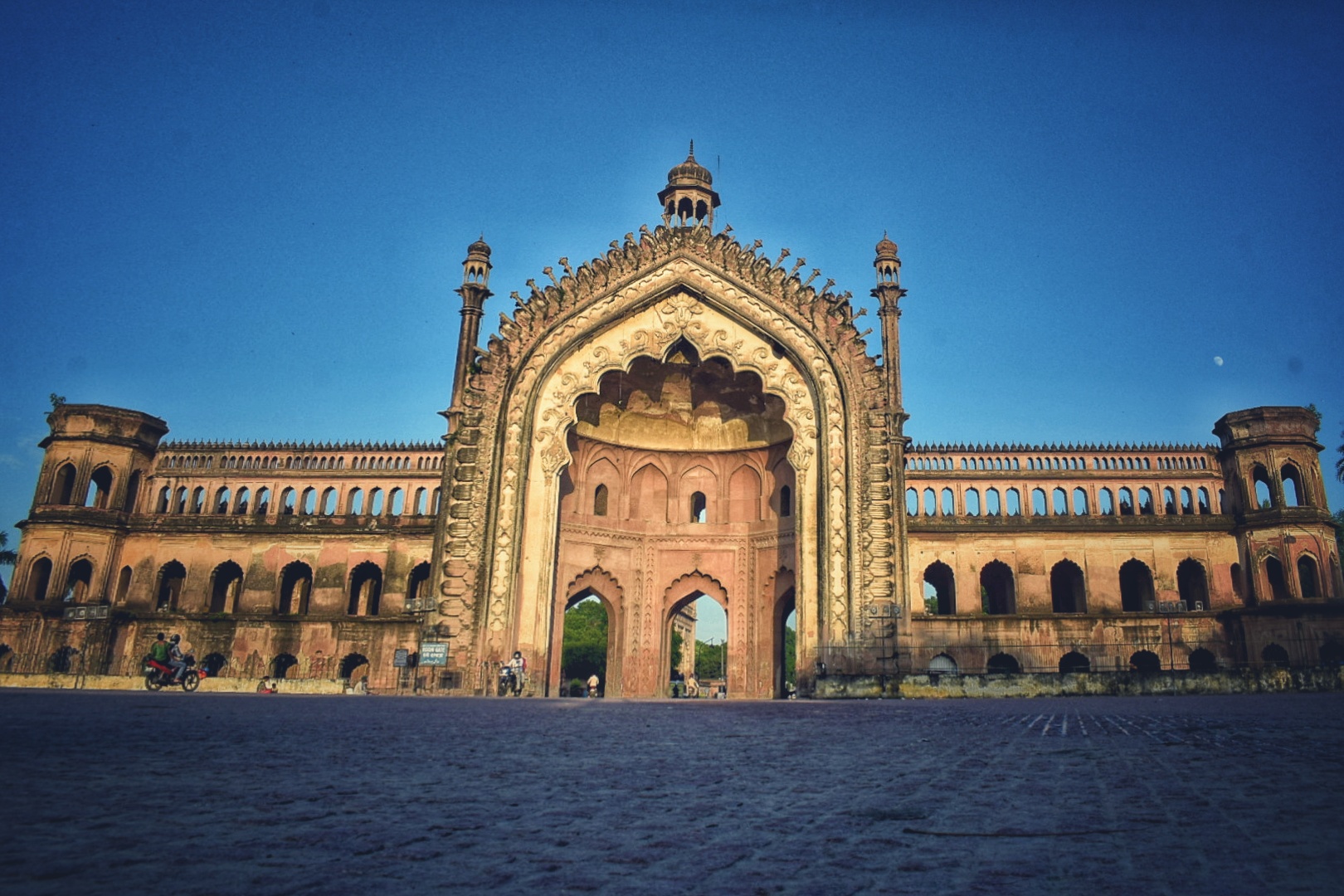
Rumi Darwaza
An imposing architectural gateway, often called the Turkish Gate, built by Nawab Asaf-ud-Daula. Its intricate design is inspired by the Sublime Porte in Istanbul, serving as an iconic symbol of Lucknow's unique architecture.
Learn More Full Description Page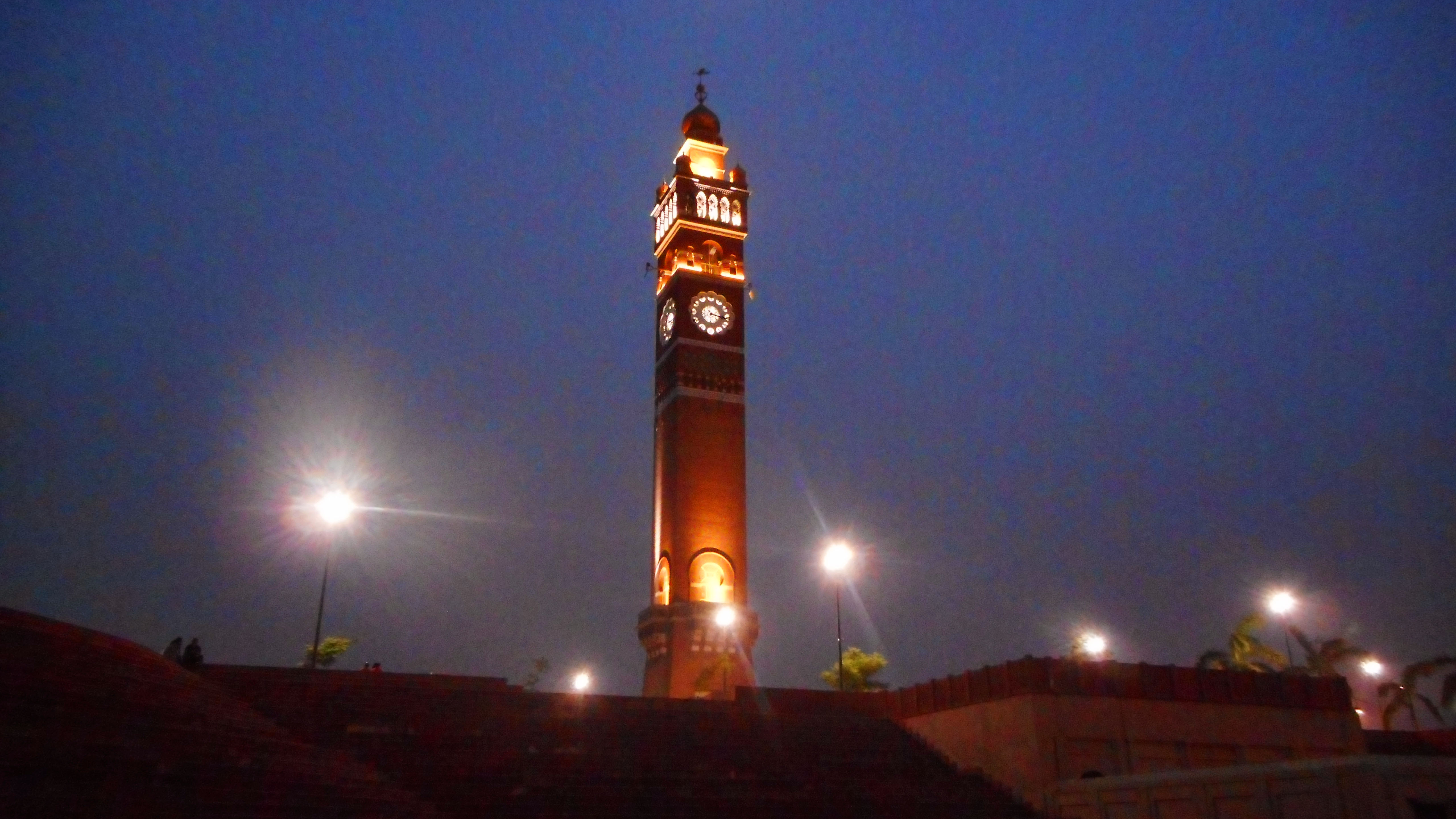
Husainabad Clock Tower
Standing tall near the Chota Imambara, this magnificent clock tower, built in 1881, is one of the tallest in India. Its Gothic-Victorian architecture and intricate details make it a prominent landmark and a photographer's delight.
Learn More Full Description Page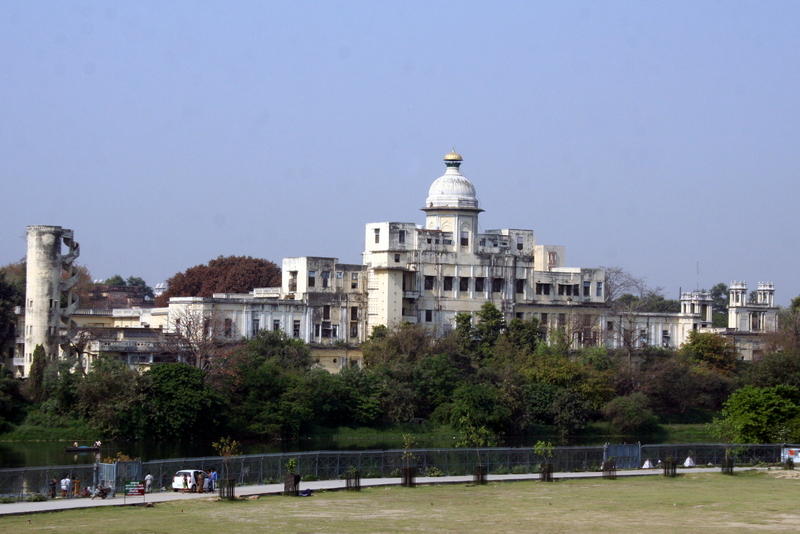
Chattar Manzil
A unique architectural marvel, also known as the Umbrella Palace, due to its domed structures. It served as a royal palace for the Nawabs of Awadh and later as a British government office. Its Indo-European design is captivating.
Learn More Full Description Page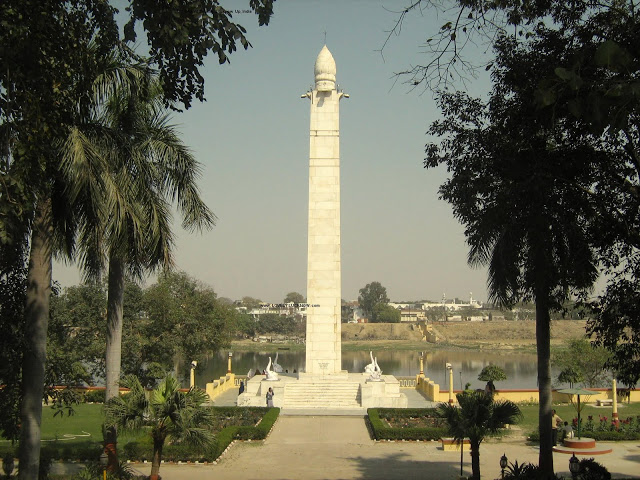
Shaheed Smarak
A war memorial dedicated to the Indian soldiers who sacrificed their lives in the 1857 Rebellion. Located near the Residency, it's a place of patriotic significance and solemn remembrance.
Learn More Full Description PageNoor Baksh Kothi
A historical building reflecting the architectural style of the Nawabi era. While less known than the grander monuments, it offers a glimpse into the residential architecture of the period.
Learn More Full Description PageScience & Learning Hubs
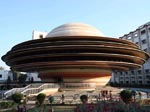
Indira Gandhi Planetarium
Shaped like Saturn with its rings, this unique planetarium offers immersive shows about space, stars, and the universe, making learning about astronomy an exciting experience for all ages.
Learn More Full Description Page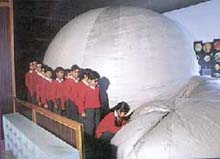
Regional Science Center
An interactive science museum with various galleries and exhibits that make learning about scientific principles fun and engaging for children and adults alike.
Learn More Full Description PageWildlife & Nature Escapes
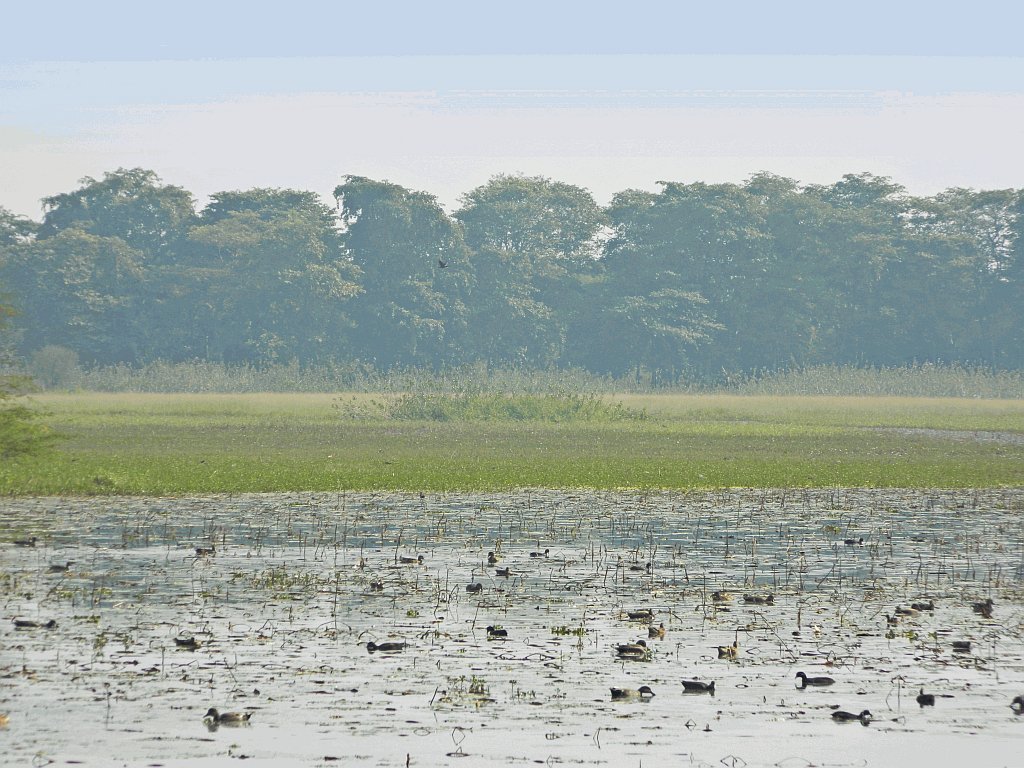
Nawabganj Birds Sanctuary (Shahid Chandra Shekhar Azad Bird Sanctuary)
A haven for migratory and resident birds, offering excellent opportunities for birdwatching and nature photography. It's a peaceful escape from the city's hustle.
Learn More Full Description Page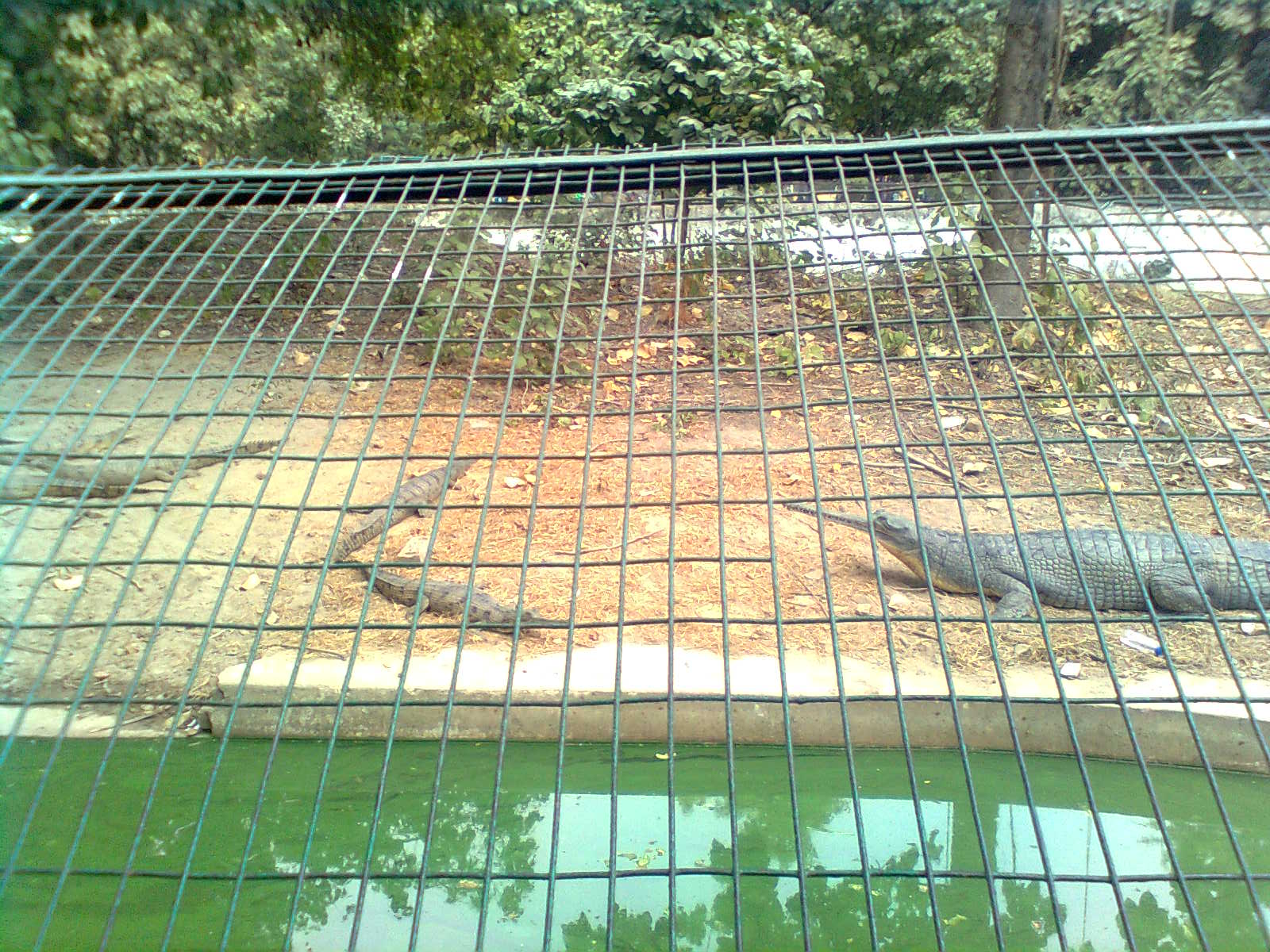
Kukrail Forest Reserve & Crocodile Breeding Centre
A dense forest area on the outskirts of Lucknow, popular for picnics and nature walks. It also houses a significant crocodile breeding center, contributing to wildlife conservation efforts.
Learn More Full Description Page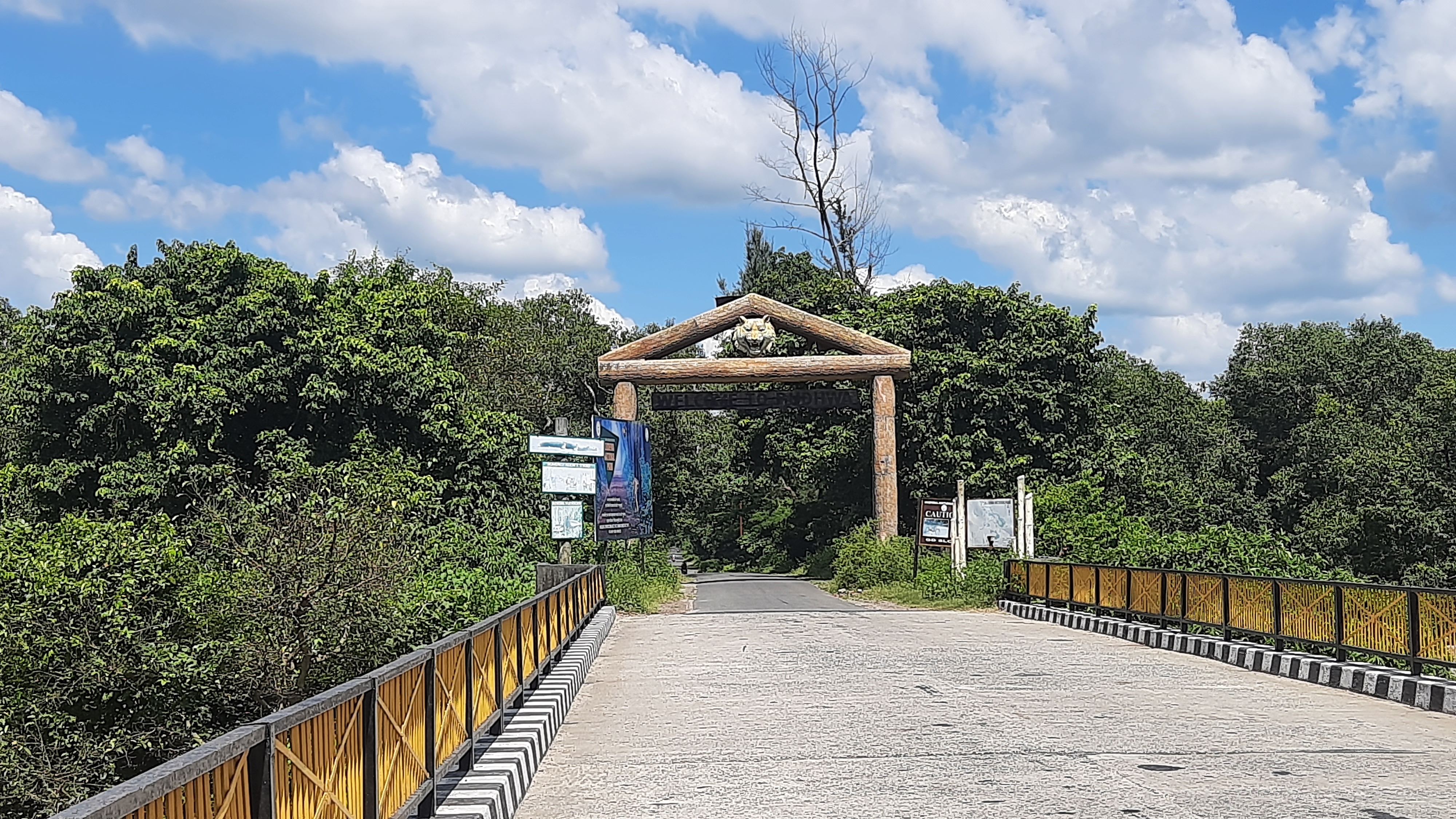
Dudhwa National Park (Day Trip from Lucknow)
Located a few hours from Lucknow, Dudhwa is a rich biodiversity hotspot, home to tigers, leopards, swamp deer, and numerous bird species. Ideal for wildlife safaris and nature enthusiasts.
Learn More Full Description PageNearby Spiritual & Historical Destinations
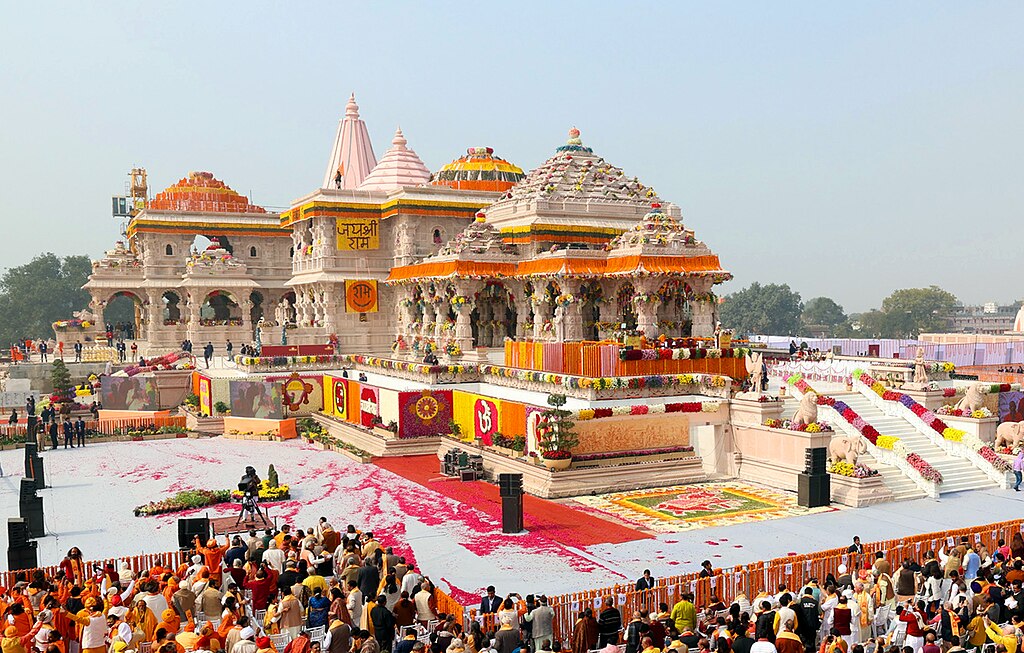
Ayodhya
The ancient city of Ayodhya, birthplace of Lord Rama, is a significant pilgrimage site for Hindus. It is home to numerous temples, ghats, and historical sites, offering a deep spiritual experience.
Learn More Full Description Page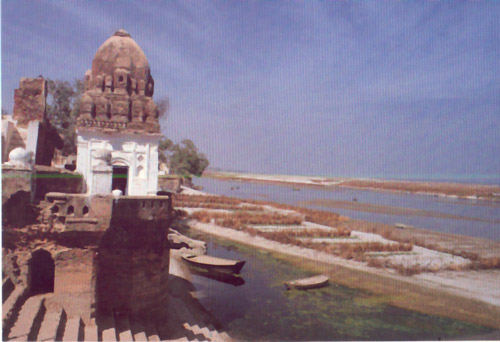
Bithoor
A small town near Kanpur, Bithoor holds immense historical and religious significance. It is believed to be the birthplace of Lava and Kusha (Lord Rama's sons) and a site associated with the 1857 Rebellion.
Learn More Full Description Page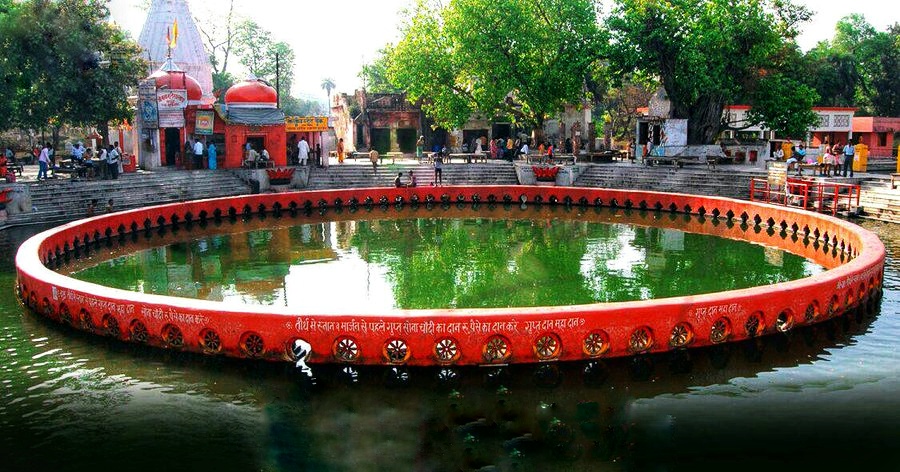
Naimisharanya
A revered Hindu pilgrimage site, Naimisharanya is believed to be a sacred forest where ancient sages performed penance. It's a tranquil place with numerous temples and spiritual significance.
Learn More Full Description Page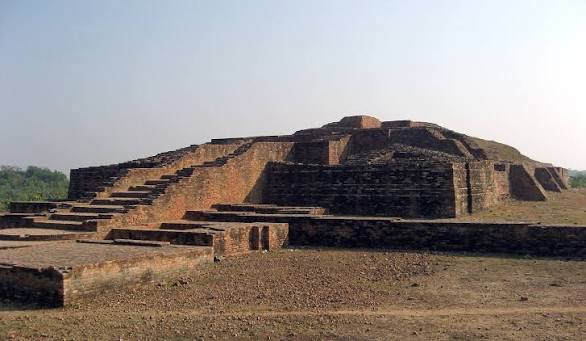
Sravasti
An ancient city with significant Buddhist and Jain pilgrimage sites. It was a major center during the time of Buddha and offers historical ruins and peaceful monasteries.
Learn More Full Description Page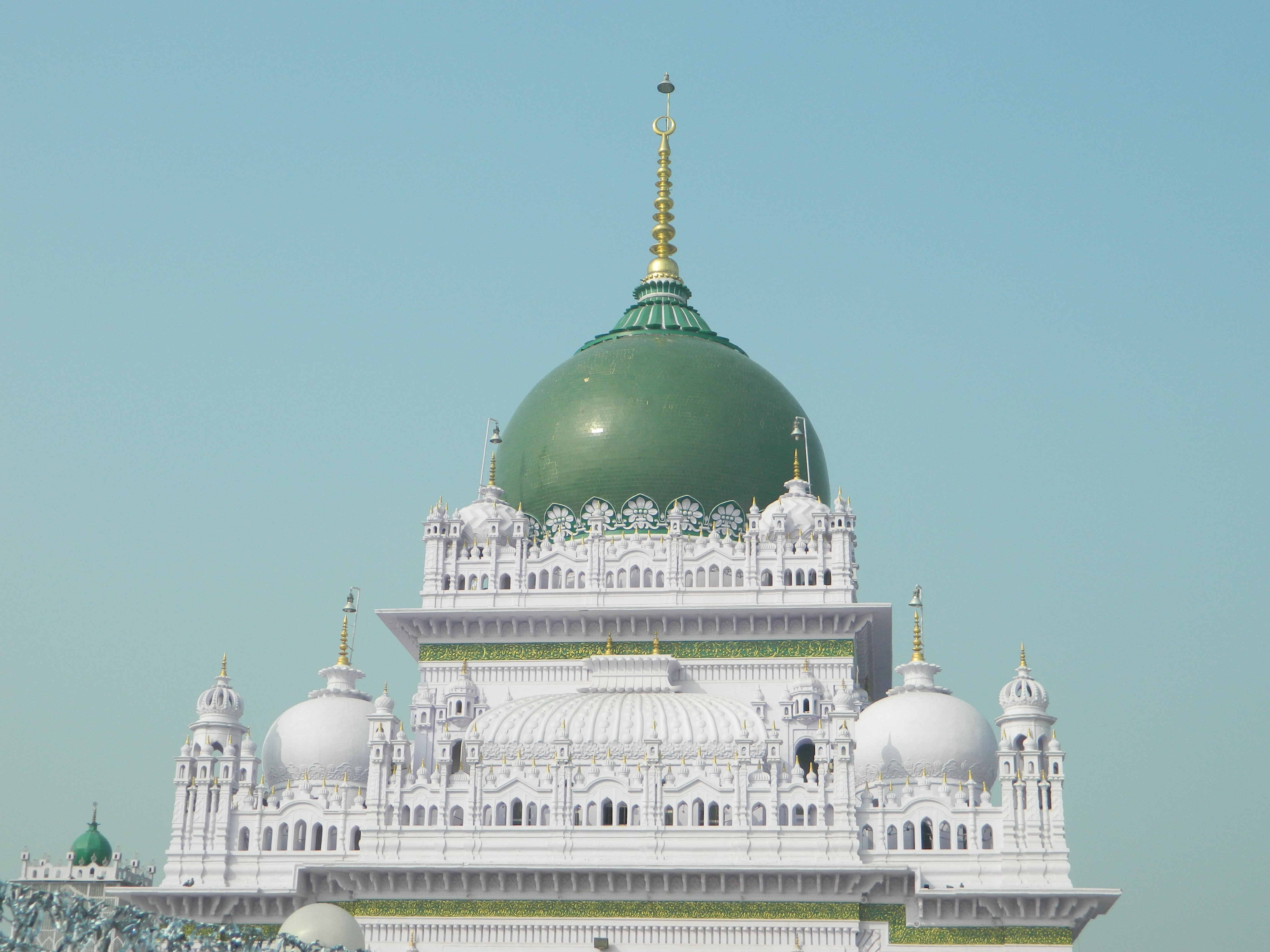
Dewa Sharif
A prominent Sufi shrine dedicated to Haji Waris Ali Shah, known for its communal harmony and the annual Urs festival that attracts devotees from all faiths.
Learn More Full Description PageTips for Exploring Lucknow's Tourist Gems
- Best Time to Visit: The winter months (November to February) offer the most pleasant weather for sightseeing.
- Transportation: Utilize the Lucknow Metro, auto-rickshaws, or ride-sharing apps for convenient travel between attractions.
- Guided Tours: Consider hiring a local guide, especially for historical sites like Bara Imambara and The Residency, to gain deeper insights.
- Comfortable Attire: Wear comfortable shoes as many sites involve considerable walking. Dress modestly when visiting religious sites.
- Local Cuisine: Don't miss out on sampling the famous Awadhi cuisine at local eateries near tourist spots.
- Photography: Most sites allow photography, but be mindful of any restrictions, especially inside religious areas.