
Lucknow's Culture & Traditions: The Soul of Awadh
Immerse yourself in the etiquette, arts, and vibrant heritage that define the City of Nawabs.
Explore the Cultural TapestryGanga-Jamuni Tehzeeb: The Syncretic Heart of Lucknow
Lucknow is not merely a city; it is an experience, a living testament to a bygone era of sophistication and communal harmony. At the core of its identity lies the celebrated Ganga-Jamuni Tehzeeb, a unique syncretic culture that beautifully blends Hindu and Muslim traditions. This ethos of mutual respect, refined manners, and artistic appreciation flourished under the Nawabs of Awadh, creating an environment where diverse communities coexisted peacefully, contributing to a rich cultural tapestry. It's reflected in every aspect of Lucknowi life, from its language and cuisine to its performing arts and social interactions.
Discover the Nawabi Era's Influence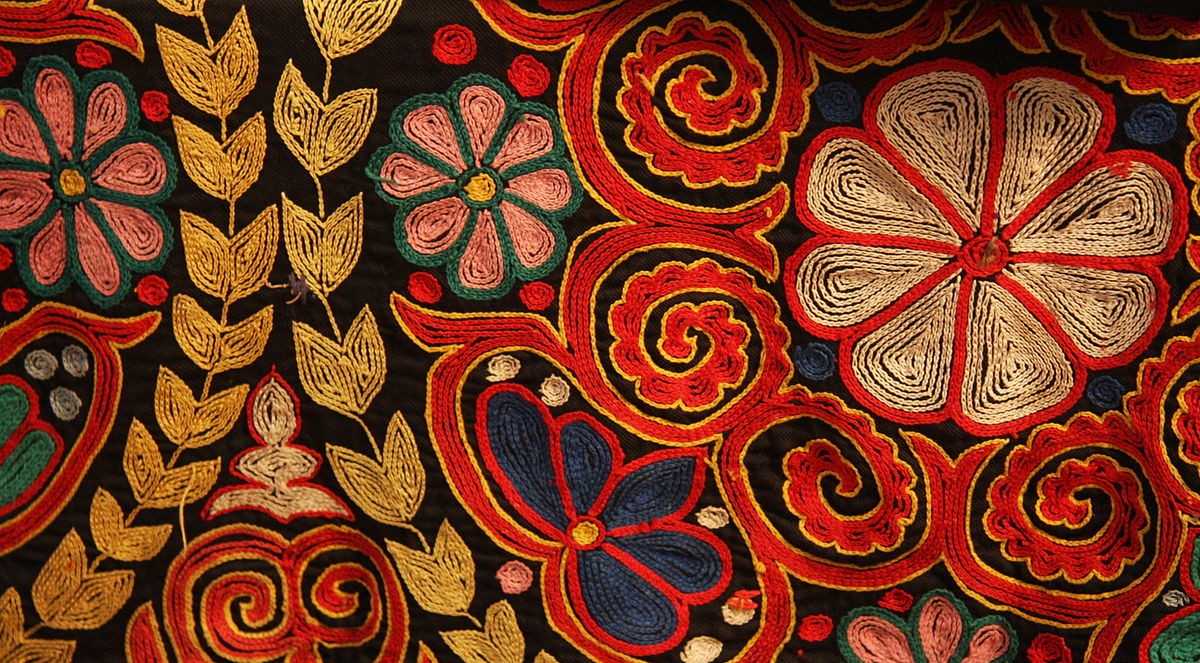
Exquisite Arts & Crafts: Threads of Tradition
Lucknow is synonymous with its intricate and delicate hand embroidery, particularly Chikan work. This traditional art form, believed to have been introduced by the Mughals, reached its zenith under the patronage of the Nawabs. Characterized by its subtle white-on-white embroidery, Chikan work adorns various fabrics, creating timeless pieces of clothing and household linens. Beyond Chikan, Lucknow is also known for its opulent Zardozi embroidery, which uses gold and silver threads to create elaborate patterns, often seen on royal garments and ceremonial items. The city's artisans continue to preserve these age-old crafts, making Lucknow a treasure trove for traditional Indian textiles.
Explore Local Markets for Crafts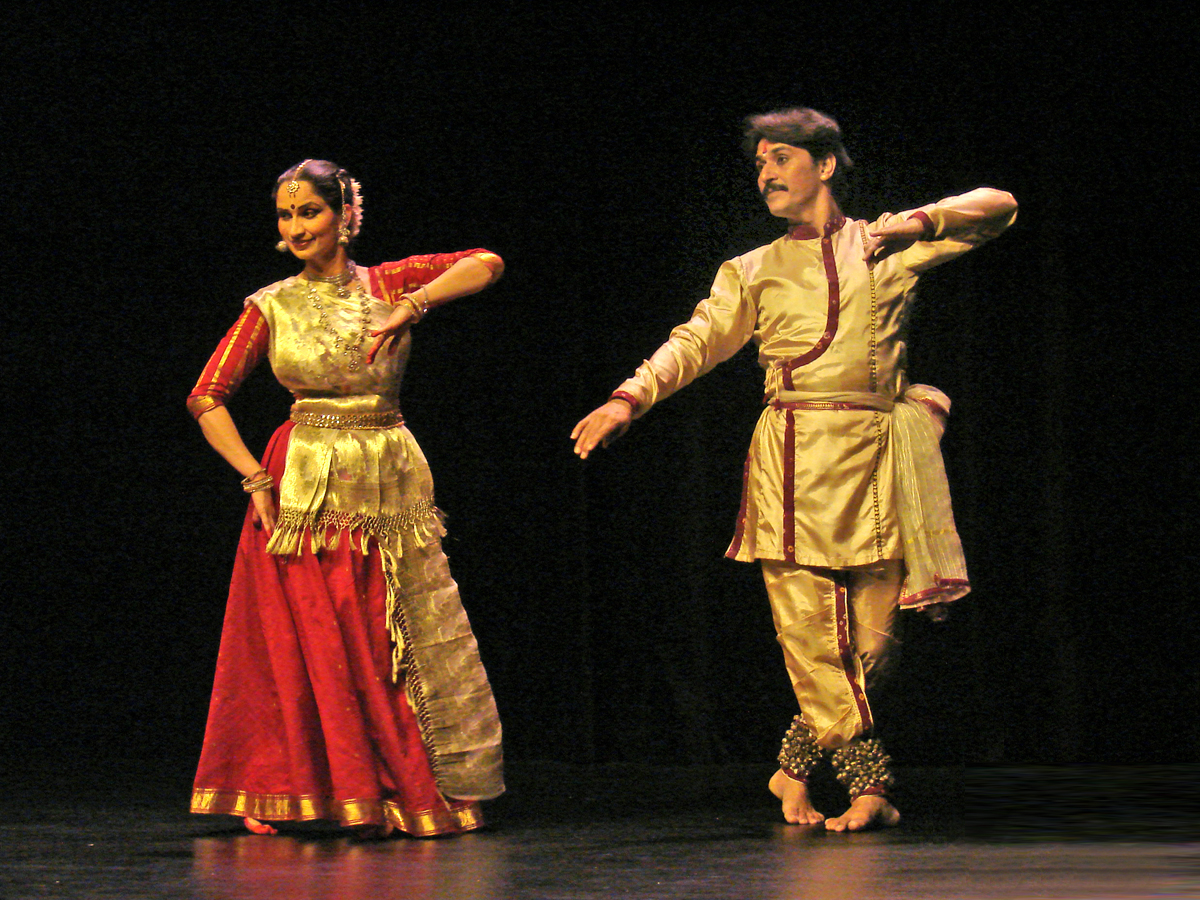
The Stage of Refinement: Performing Arts
The Nawabi court was a vibrant center for performing arts, fostering the development of unique styles that continue to thrive today. Lucknow is the birthplace of the Lucknow Gharana of Kathak, one of the six major classical Indian dance forms. Characterized by its graceful movements, intricate footwork, and emphasis on expression (bhav), Kathak flourished under the patronage of Nawabs like Wajid Ali Shah. The city also became a prominent center for Hindustani classical music, particularly the vocal forms of Thumri and Ghazal, with renowned musicians and poets adorning the royal courts. The tradition of Mushairas (poetic symposiums) and Qawwalis (devotional music) also remains deeply ingrained in Lucknow's cultural fabric.
Learn More about KathakAdab and Tehzeeb: The Art of Living
Beyond its tangible arts, Lucknow is celebrated for its intangible cultural assets: its unique etiquette (adab) and refined manners (tehzeeb). The famous phrase "Pehle Aap" (After you), often used to describe Lucknowi politeness, embodies this spirit of deference and courtesy. Hospitality, graceful speech, and respectful interactions are deeply ingrained in the local psyche. This emphasis on civility and elegance is a direct legacy of the Nawabi court, where refinement in every aspect of life was highly valued. Even today, visitors to Lucknow often remark on the warmth and politeness of its residents.
Culture of Uttar Pradesh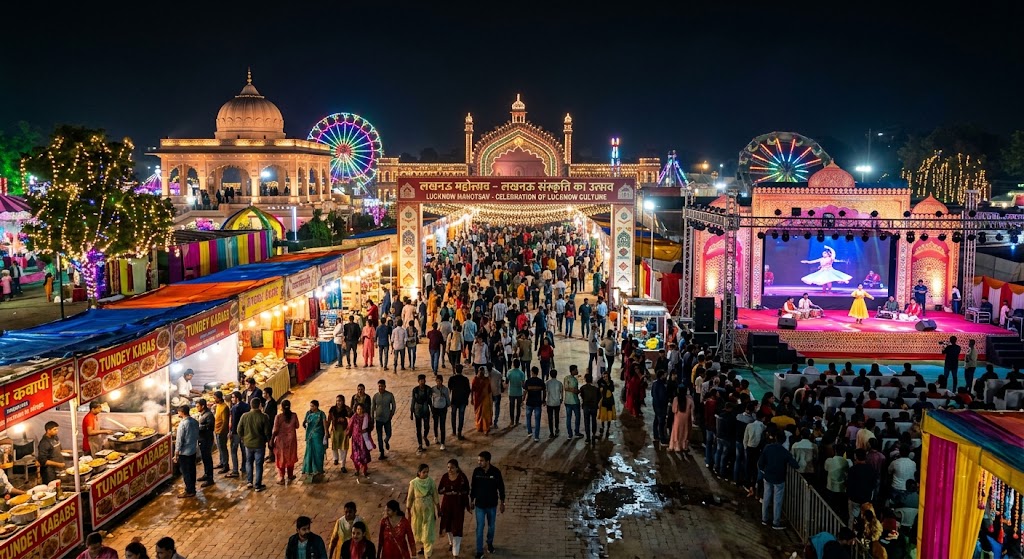
Vibrant Festivals and Community Spirit
Lucknow celebrates a myriad of festivals with great fervor, reflecting its diverse population and harmonious coexistence. Major Hindu festivals like Diwali and Holi, and Muslim festivals like Eid and Muharram, are observed with enthusiasm across the city. The annual Lucknow Mahotsav is a grand cultural extravaganza that showcases the best of Awadhi art, craft, cuisine, and performing arts, attracting tourists and locals alike. These celebrations are not just religious events but opportunities for community bonding, reinforcing the city's inclusive spirit.
Discover Lucknow's Festivals & Events