
Sarojini Naidu: The Nightingale of India
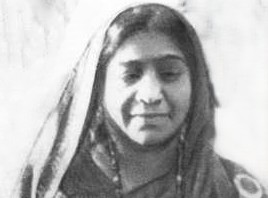
Sarojini Naidu (1879 – 1949), famously known as 'The Nightingale of India' or 'Bharat Kokila' by Mahatma Gandhi, was a pivotal figure in India's struggle for independence. Beyond her fiery activism, she was an accomplished poet whose lyrical verses resonated deeply with the spirit of the nation. Her remarkable journey saw her become the first Indian woman President of the Indian National Congress and, significantly, the first woman Governor of an Indian state (Uttar Pradesh), making Lucknow her official residence and a key center of her political activities.
Early Life and Poetic Beginnings
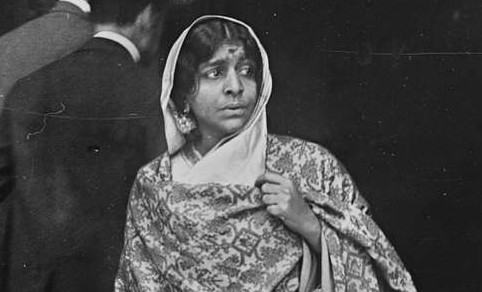
Born on February 13, 1879, in Hyderabad, Sarojini Naidu was the eldest daughter of Aghorenath Chattopadhyay, a scientist and educationist, and Varada Sundari Devi, a poetess. She was a brilliant student and displayed an early talent for poetry, writing verses in English at a young age. At just twelve, she achieved national fame for her English poem "Lady of the Lake." She went to England for higher studies, attending King's College, London, and later Girton College, Cambridge, where she further cultivated her poetic sensibilities under the guidance of literary stalwarts.
Poetic Works: The Golden Threshold and Beyond
Sarojini Naidu's poetic collections, characterized by their vibrant imagery, lyrical quality, and Indian themes, earned her widespread acclaim. Her major works include:
- "The Golden Threshold" (1905): Her first volume of poems, which received critical appreciation in England and India.
- "The Bird of Time: Songs of Life, Death & the Spring" (1912): Further showcased her mastery of English verse with an Indian soul.
- "The Broken Wing: Songs of Love, Death and the Spring" (1917): A collection reflecting deeper emotional nuances.
Role in India's Freedom Movement
Inspired by Mahatma Gandhi, Sarojini Naidu dedicated her life to India's freedom struggle. She was a fierce orator and traveled extensively, advocating for independence and women's rights. Her activism included:
- Becoming the first Indian woman President of the Indian National Congress in 1925.
- Participating actively in the Non-Cooperation Movement and the Civil Disobedience Movement.
- Being imprisoned multiple times for her involvement in the Quit India Movement.
- Representing India at various international conferences, including the Round Table Conferences in London.
Her powerful speeches and unwavering commitment made her a towering figure in the nationalist movement.
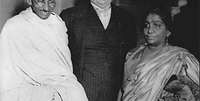
Sarojini Naidu, a powerful voice for independence
First Woman Governor of Uttar Pradesh
After India gained independence in 1947, Sarojini Naidu was appointed as the first Governor of Uttar Pradesh, making her the first woman to hold a gubernatorial position in independent India. She served in this capacity until her demise in 1949. Her appointment to such a high office underscored her significant contributions to the nation and her intellectual prowess. During her tenure in Lucknow, she continued to advocate for social justice, education, and women's empowerment, embodying her lifelong commitment to a progressive India.
A Lasting Legacy of Courage and Creativity
Sarojini Naidu passed away on March 2, 1949, in Lucknow, leaving behind a dual legacy as both a fearless freedom fighter and a celebrated poet. Her life serves as an enduring inspiration, demonstrating the power of intellect, eloquence, and unwavering commitment in the pursuit of justice and national pride. She remains a symbol of Indian womanhood's strength and artistic brilliance, forever 'The Nightingale of India'.
Back to Famous Personalities