
Awadhi Cuisine: The Royal Flavors of Lucknow
Embark on a culinary journey through the rich, aromatic, and melt-in-your-mouth delicacies perfected by the Nawabs.
Taste the TraditionA Culinary Legacy: The Art of Awadhi Cooking
Lucknow, the 'City of Nawabs', is not just famous for its architecture and etiquette; it is equally, if not more, renowned for its unparalleled culinary heritage: Awadhi cuisine. This sophisticated style of cooking, developed in the royal kitchens of the Nawabs of Awadh, is a testament to their refined tastes and patronage of the arts, including the culinary arts. It is characterized by its subtlety, aromatic spices, and the unique 'Dum Pukht' (slow-cooking) method, which locks in flavors and tenderness. Awadhi cuisine is a sensory delight, offering a rich tapestry of flavors, textures, and aromas that reflect centuries of culinary evolution and royal indulgence.
Explore the Nawabi EraThe Art of Dum Pukht and Aromatic Spices
The cornerstone of Awadhi cooking is the Dum Pukht method, meaning 'to breathe and to cook'. This technique involves cooking food in sealed containers over a very low flame for extended periods. This slow process allows the ingredients to release their natural juices and flavors, resulting in incredibly tender meats and vegetables, and a rich, complex gravy. Unlike many other Indian cuisines, Awadhi food typically shies away from overpowering spices, opting instead for a delicate balance of aromatics like cardamom, saffron, mace, and rose water. The emphasis is on subtle flavors that complement, rather than mask, the primary ingredients. This meticulous approach to cooking elevates each dish to an art form.
More on Dum Pukht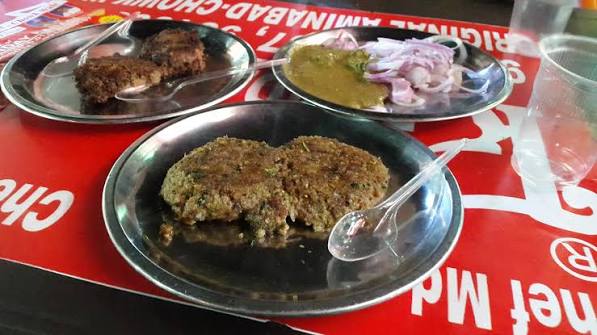
The Legendary Kebabs: Melt-in-Your-Mouth Delicacies
Kebabs are arguably the most iconic contribution of Awadhi cuisine. The most famous among them is the Galouti Kebab, literally meaning 'melt-in-the-mouth'. Legend has it that it was created for an aging Nawab who had lost his teeth but not his love for kebabs. Made from finely minced meat (often lamb or buffalo) blended with a secret mix of over 100 spices, these kebabs are incredibly soft and flavorful. Another celebrated variety is the Kakori Kebab, known for its even finer texture and delicate taste. Other popular kebabs include Shami Kebab, Boti Kebab, and Seekh Kebab, each offering a unique culinary experience.
Explore Indian Kebabs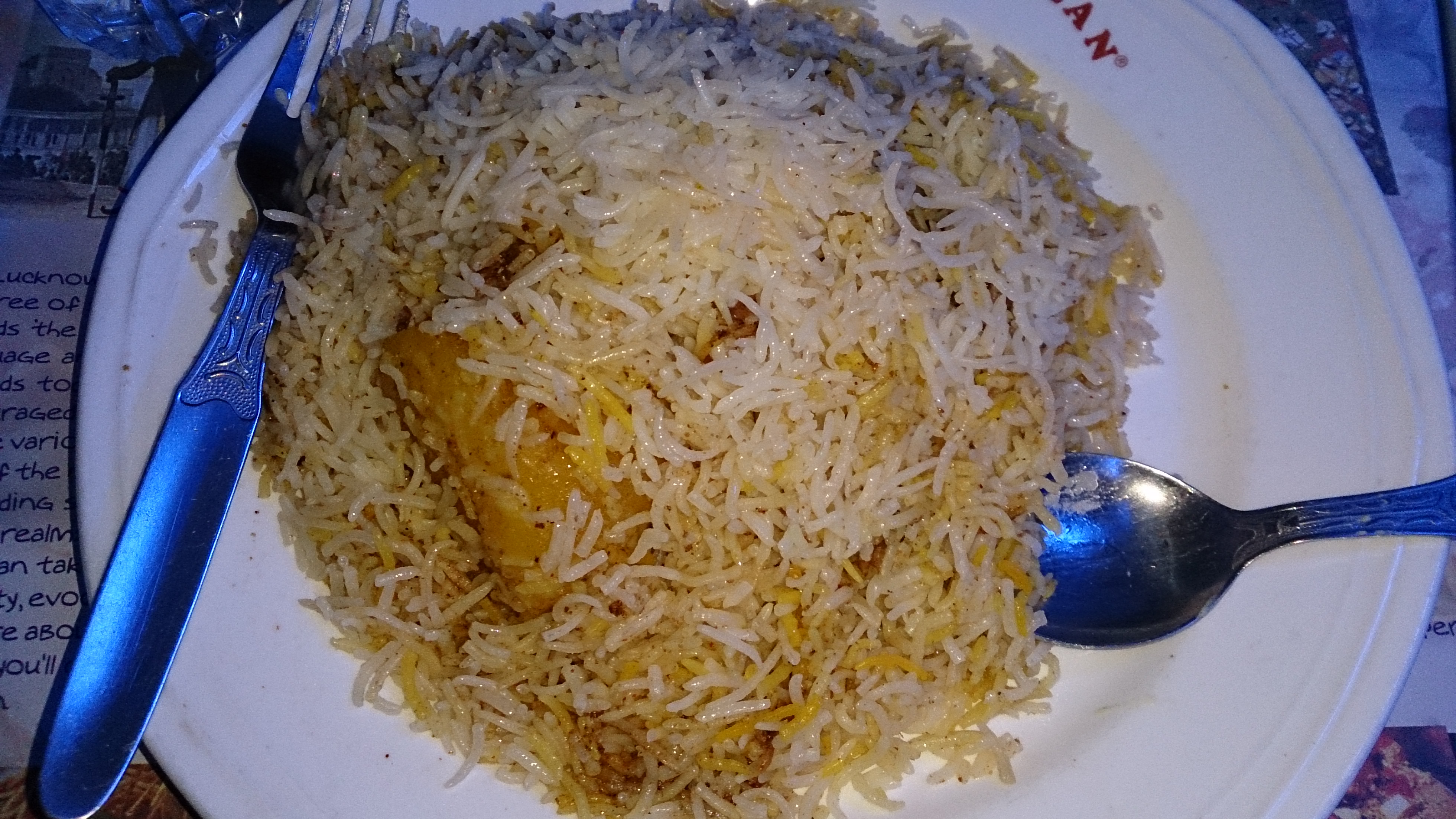
Aromatic Biryanis and Velvety Curries
The Lucknowi Biryani stands apart from its Hyderabadi or Kolkata counterparts due to its unique 'Dum' cooking style, where rice and meat are cooked separately and then layered and slow-cooked together, resulting in distinct grains of rice infused with rich flavors. The meat is incredibly tender, and the aroma is captivating. Beyond biryanis, Awadhi cuisine boasts a range of rich and creamy curries like Korma (a mild, rich gravy often made with yogurt and nuts), Nihari (a slow-cooked stew, particularly popular for breakfast), and Pasanda (thin slices of tenderized meat cooked in a creamy gravy). These dishes are often accompanied by traditional breads like Sheermal (a sweet, saffron-flavored bread) and Roomali Roti (a thin, handkerchief-like bread).
More on Awadhi DishesSweet Endings: Desserts and Beverages
Awadhi cuisine also offers a delightful array of desserts that are as rich and refined as its main courses. Shahi Tukda (bread pudding soaked in saffron-infused milk and garnished with nuts) and Kulfi (a denser, creamier version of ice cream, often flavored with pistachios, cardamom, or mango) are popular choices. During winters, the unique Malai Makkhan or Nimish, a light, frothy dessert made from whipped cream and flavored with saffron and rose water, is a seasonal specialty. Beverages like Sharbat (sweet drinks made from fruits or herbs) and traditional Chai (tea) complement the elaborate meals.
Lucknow Food GuideAwadhi Cuisine Today: A Global Delight
Even in modern Lucknow, the legacy of Awadhi cuisine thrives. Traditional eateries and fine-dining restaurants continue to serve authentic Nawabi dishes, often using recipes passed down through generations. The city has become a major destination for culinary tourism, attracting food enthusiasts from around the world eager to experience its unique flavors. Chefs and food historians continue to research and revive lost recipes, ensuring that this royal culinary art form remains vibrant and celebrated. Awadhi cuisine is not just food; it's a significant part of Lucknow's identity and a source of immense pride.
Find Restaurants in Lucknow