
The Nawabi Era: Lucknow's Golden Age of Grandeur
Step into a period of unparalleled cultural refinement, architectural brilliance, and exquisite living that defined Lucknow.
Discover the LegacyThe Rise of the Nawabs and the Flourishing of Awadh
The 18th and 19th centuries marked a transformative period for Lucknow, as it emerged from the shadow of the declining Mughal Empire to become the vibrant capital of the independent state of Awadh. Under the benevolent and cultured rule of the Nawabs, Lucknow blossomed into a beacon of art, architecture, music, poetry, and culinary excellence, earning it the epithets 'Shiraz-e-Hind' (Shiraz of India) and 'The City of Nawabs'. This era is synonymous with refinement, etiquette, and a unique syncretic culture known as Ganga-Jamuni Tehzeeb.
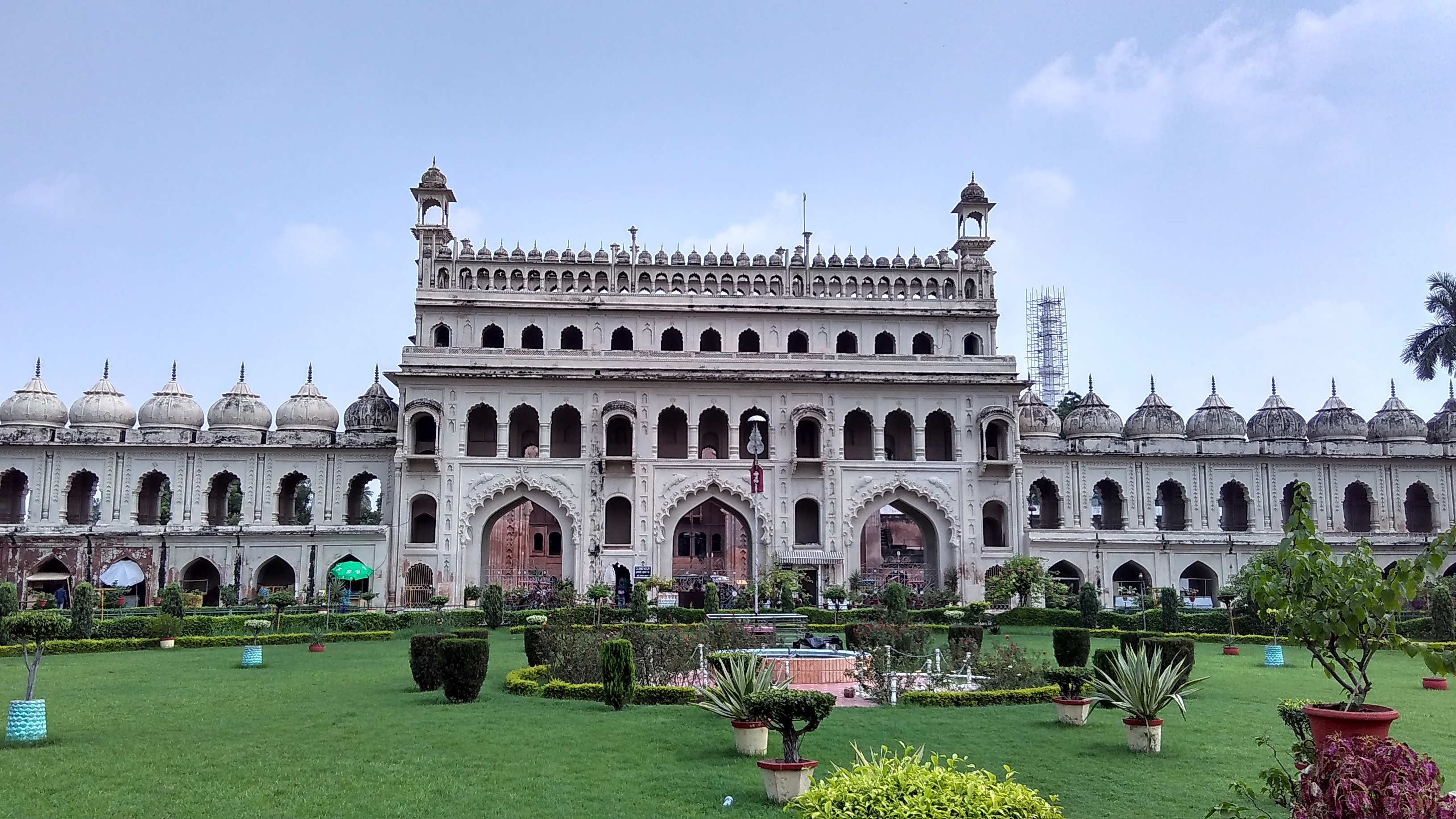
Architectural Marvels: A City Reimagined
The Nawabs were prolific builders, leaving behind an architectural legacy that defines Lucknow's skyline. They introduced a distinctive style, often referred to as Awadhi architecture, characterized by its grandeur, intricate detailing, and unique blend of Mughal, Persian, and European influences. Key examples include the majestic Bara Imambara with its famous Bhulbhulaiya (labyrinth), the ornate Rumi Darwaza (Turkish Gate), and the elegant Chota Imambara. These structures were not merely buildings but symbols of the Nawabs' power, piety, and artistic vision.
Explore Lucknow's Tourist Places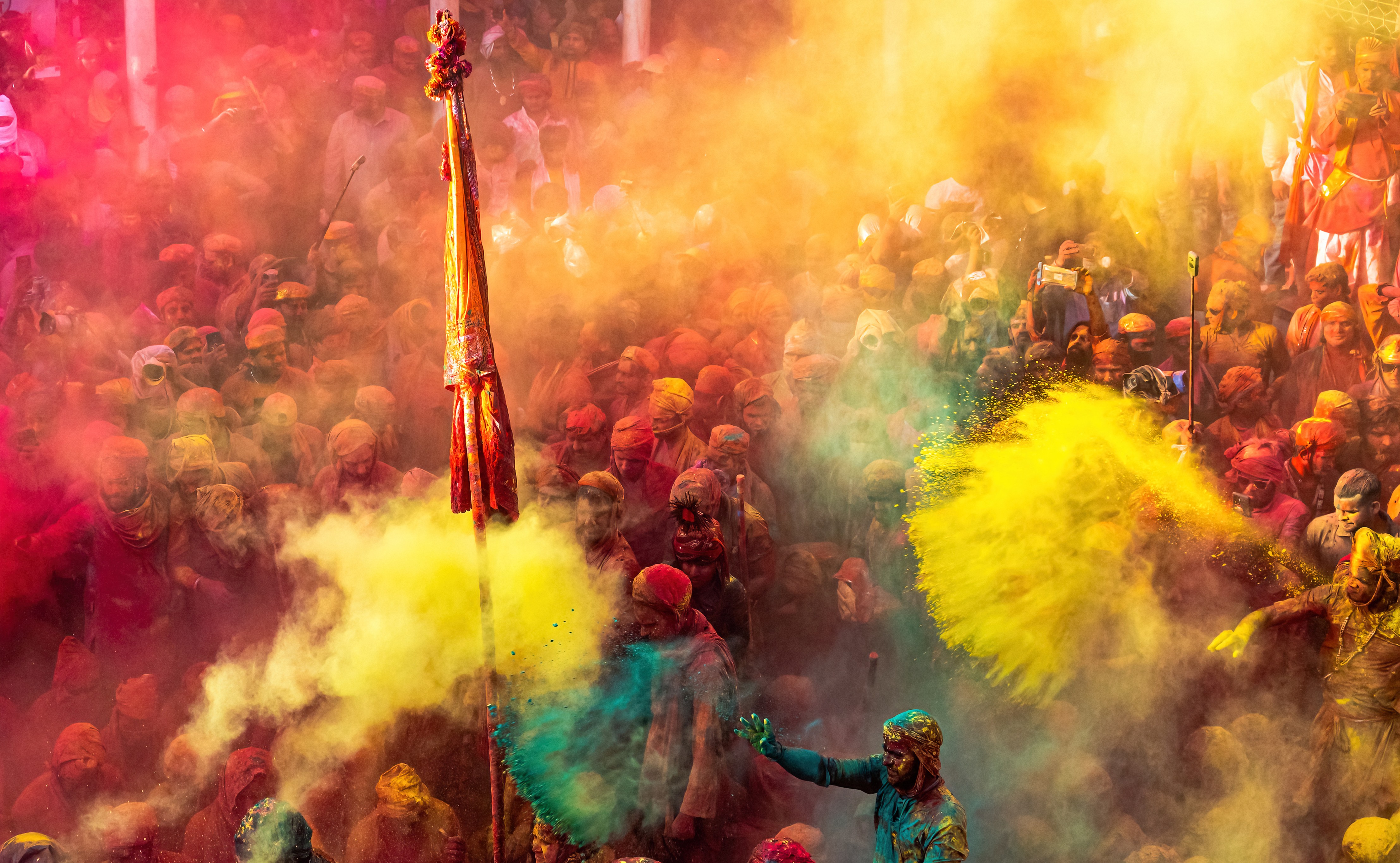
A Hub of Arts and Refinement
The Nawabi court was a magnet for artists, musicians, dancers, and poets. Classical Indian music and dance, particularly Kathak, found new patronage and evolved into the distinct Lucknow Gharana. Urdu poetry, especially ghazals and marsiyas, reached its pinnacle with legendary poets like Mir Taqi Mir and Ghalib finding inspiration or patronage here. The intricate art of Chikan embroidery also flourished, becoming a signature craft of the city. The Nawabs' personal interest and generous patronage fostered an environment where creativity thrived, making Lucknow a cultural powerhouse.
Discover Lucknow's Culture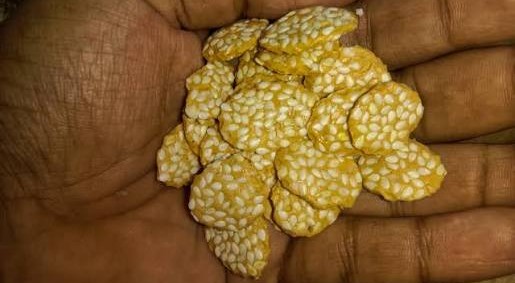
The Royal Kitchens: Birthplace of Awadhi Cuisine
No discussion of the Nawabi era is complete without mentioning its unparalleled culinary legacy. The Nawabs' passion for fine dining led to the development of Awadhi cuisine, a distinct style of cooking known for its rich flavors, aromatic spices, and slow-cooking techniques (dum style). Iconic dishes like Galouti Kebabs, Kakori Kebabs, and various biryanis were perfected in the royal kitchens, becoming a hallmark of Lucknowi hospitality. This culinary tradition continues to tantalize palates worldwide.
Savor Awadhi Cuisine
The Decline and Enduring Legacy
The Nawabi era began to decline with the increasing influence of the British East India Company. The last Nawab, Wajid Ali Shah, a great patron of arts but politically less astute, was dethroned and exiled in 1856, leading to the annexation of Awadh. This event became a significant catalyst for the Indian Rebellion of 1857, in which Lucknow played a central role. Despite its political end, the Nawabi era left an indelible mark on Lucknow. Its legacy lives on in the city's architecture, its refined etiquette, its classical arts, and its world-renowned cuisine, ensuring that Lucknow remains the 'City of Nawabs' in spirit.
Read About British Rule & 1857 Rebellion