
Lucknow's Mughal Legacy: A Precursor to Grandeur
Explore how the Mughal Empire shaped Lucknow, transforming it into a vital administrative and cultural hub.
Uncover the InfluenceLucknow Under the Mughal Empire
While the golden age of Lucknow is often associated with the Nawabs of Awadh, the city's foundation as a significant urban and cultural center was firmly laid during the preceding Mughal era. For centuries, Lucknow and the broader Awadh region were integral parts of the vast Mughal Empire, benefiting from its administrative structure, trade networks, and artistic patronage.
A Key Mughal Subah
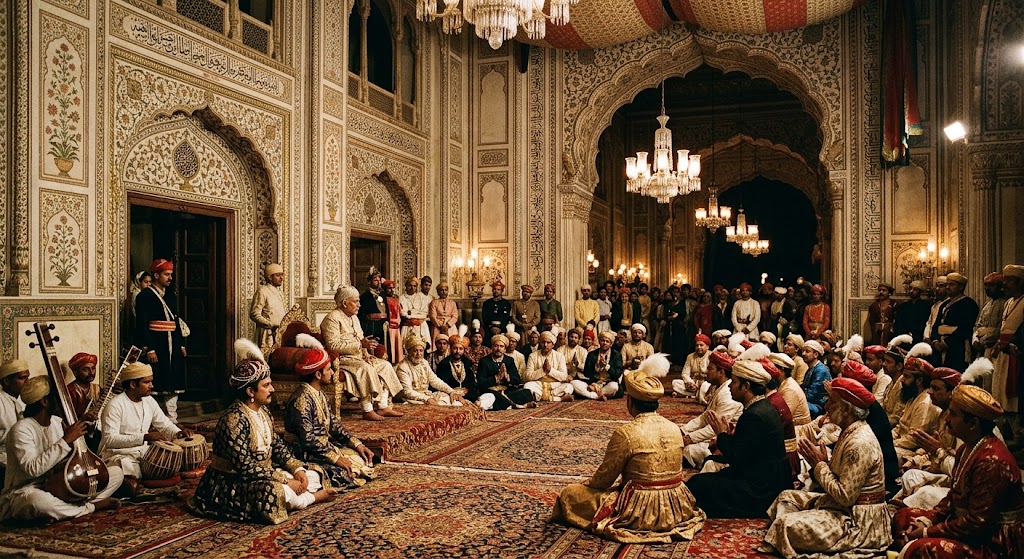
Lucknow's strategic location in the fertile Gangetic plains made it a crucial administrative center for the Mughal Empire. Emperor Akbar, in particular, recognized its importance and established Awadh (the region around Lucknow) as one of his twelve original subahs (provinces). This designation brought a structured system of governance, revenue collection, and military presence, contributing to the region's stability and growth. Mughal governors and officials resided here, overseeing local affairs and integrating Awadh into the broader imperial framework.
Learn More about the Mughal Empire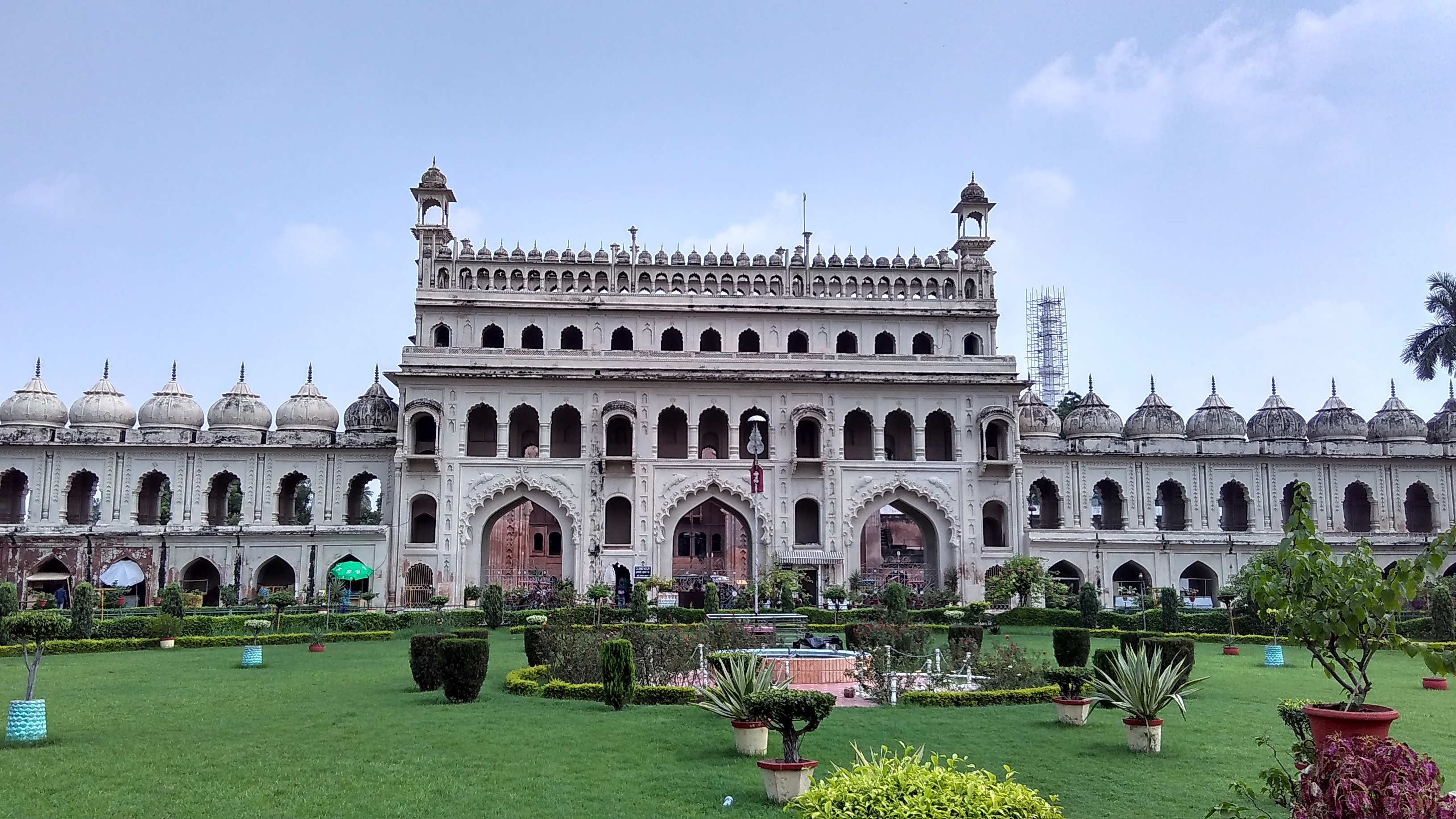
Art, Culture & Early Urban Development
The Mughal presence brought with it a distinct cultural and architectural influence. While grand Mughal monuments like those in Delhi or Agra are not as prevalent, the period saw the construction of mosques, gardens, and administrative buildings that reflected Mughal aesthetics. The city's urban layout began to take shape, and the influx of artists, poets, and scholars from the imperial court enriched the local cultural milieu. This blend of local traditions with Persian and Central Asian influences laid the groundwork for the unique 'Ganga-Jamuni Tehzeeb' that would later define Lucknow.
Explore Mughal Architecture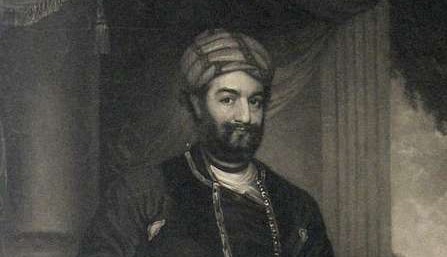
Transition to the Nawabi Era
As the central Mughal authority began to wane in the early 18th century, regional governors started asserting their independence. In Awadh, Saadat Ali Khan I, appointed as the Nawab of Awadh, gradually established a semi-independent state. This marked the beginning of the glorious Nawabi era, where Lucknow would truly come into its own as a center of unparalleled cultural and architectural splendor, building upon the foundations laid during the centuries of Mughal influence.
Read More on the Awadh Region