
Ancient Lucknow: Myths, Legends & Early Roots
Uncover the foundational stories and archaeological whispers from the dawn of Lucknow's existence.
Journey to the PastThe Dawn of a City: Lucknow's Earliest Chapters
While Lucknow is widely celebrated for its Nawabi grandeur, its roots stretch much further back into antiquity, shrouded in both captivating legends and intriguing archaeological evidence. Understanding its ancient past provides a deeper appreciation for the city's enduring spirit and cultural foundations.
The Legend of Lakshman Tila
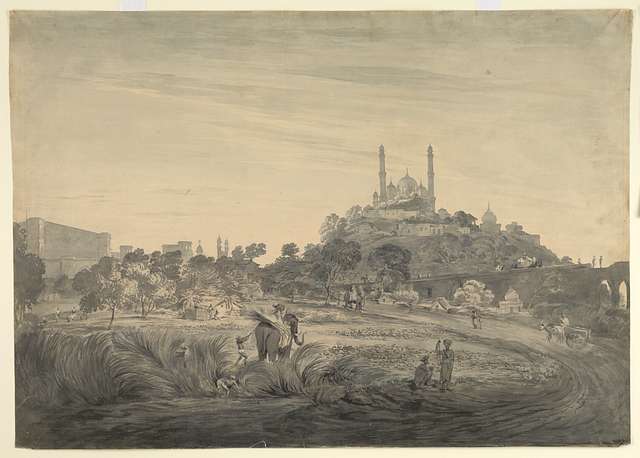
One of the most enduring legends links Lucknow's origin to Lakshmana, the younger brother of Lord Rama from the epic Ramayana. It is believed that the city was originally known as 'Lakshmanpuri' or 'Lakhanpur', a town gifted to Lakshmana by Lord Rama. The prominent mound known as Lakshman Tila, located near the Gomti river, is traditionally considered the site where Lakshmana's dwelling once stood. This mythological connection imbues Lucknow with a sacred and ancient aura, predating its more recent historical records.
Explore Lucknow's Legends
Early Settlements Along the Gomti
Beyond mythology, archaeological surveys and excavations in and around Lucknow have unearthed artifacts that point to continuous human habitation from ancient periods. The fertile plains of the Gomti River basin provided an ideal environment for early agricultural communities. Evidence of pottery, tools, and other remains from the Copper-Bronze Age and Iron Age periods suggest that the region was part of the broader Gangetic plain's early civilizations, long before the rise of major empires. These early settlements laid the groundwork for the city's eventual prominence.
Learn About Ancient Indian Civilizations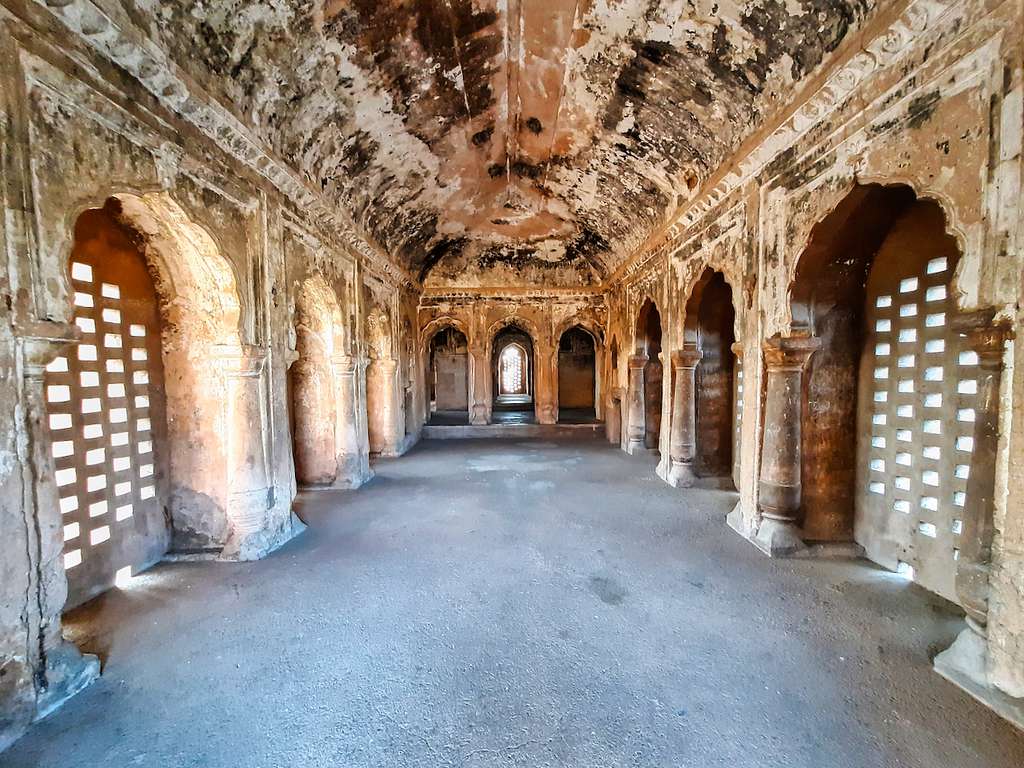
Transition to the Medieval Era
Before the advent of Mughal rule, Lucknow and the surrounding Awadh region were part of various regional kingdoms and sultanates. While detailed records from this period are scarcer, it was a time of gradual consolidation and the emergence of local powers. The strategic location of Lucknow, at the crossroads of major trade routes, ensured its continued importance, setting the stage for its later transformation into a prominent administrative and cultural center under the Delhi Sultanate and then the Mughals.
Read More on Awadh Region