
Lucknow's Landscape: Geography & Climate
Explore the natural setting and seasonal rhythms that define the environment of the City of Nawabs.
Dive into the DetailsUnderstanding Lucknow's Natural Environment
Lucknow, the capital of Uttar Pradesh, is not just a city of historical monuments and cultural refinement; its very character is deeply influenced by its geographical location and distinct climate. Situated in the heart of the Gangetic Plains, the city's flat terrain and the life-giving Gomti River have played pivotal roles in its development, shaping everything from its agriculture to its urban planning and even its unique lifestyle.
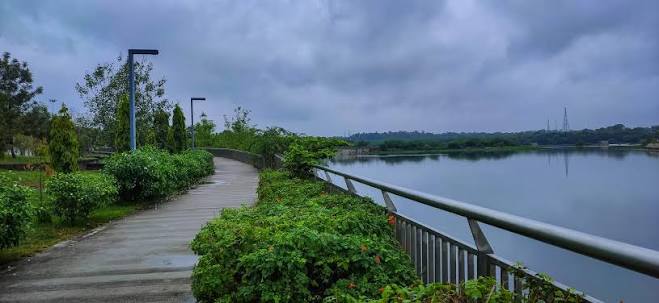
Location and Topography: The Heart of the Plains
Lucknow is strategically located in the central part of Uttar Pradesh, nestled within the vast and fertile Indo-Gangetic Plain. This region is renowned for its flat, alluvial terrain, formed by the deposition of silt from the Himalayan rivers over millennia. The city itself is situated on the banks of the Gomti River, a tributary of the Ganges. The Gomti meanders through the city, dividing it into Trans-Gomti and Cis-Gomti regions, and has historically been a lifeline for its inhabitants, supporting agriculture and serving as a crucial waterway for trade and transport since ancient times. The city's relatively low elevation contributes to its hot summers and distinct monsoon patterns.
Read about Lucknow's Ancient Origins
Lucknow's Distinct Climate: Summer, Monsoon, Winter
Lucknow experiences a typical North Indian climate, characterized by three main seasons:
- Summer (March to June): These months are intensely hot and dry, with temperatures frequently soaring above $40^\circ C$ ($104^\circ F$). Heatwaves are common, making midday outdoor activities challenging.
- Monsoon (July to October): The arrival of the monsoon brings significant relief from the summer heat. The city receives moderate to heavy rainfall, crucial for agriculture in the surrounding regions. Humidity levels are high during this period.
- Winter (November to February): Winters are generally mild and pleasant, making it the most ideal time to visit Lucknow. Daytime temperatures are comfortable, though nights can be chilly, sometimes accompanied by dense fog, especially in December and January.

Green Cover and Biodiversity
The natural vegetation of the Gangetic Plains surrounding Lucknow primarily consists of tropical dry deciduous forests, though much of it has been converted to agricultural land. Within the city, extensive efforts have been made to maintain green spaces. Lucknow boasts numerous well-maintained parks and gardens, such as Ambedkar Memorial Park, Gomti Riverfront Park, and Janeshwar Mishra Park. These urban oases not only provide recreational areas but also contribute to the city's microclimate and support local birdlife and small fauna, enhancing the urban ecosystem.
Uttar Pradesh Forest Department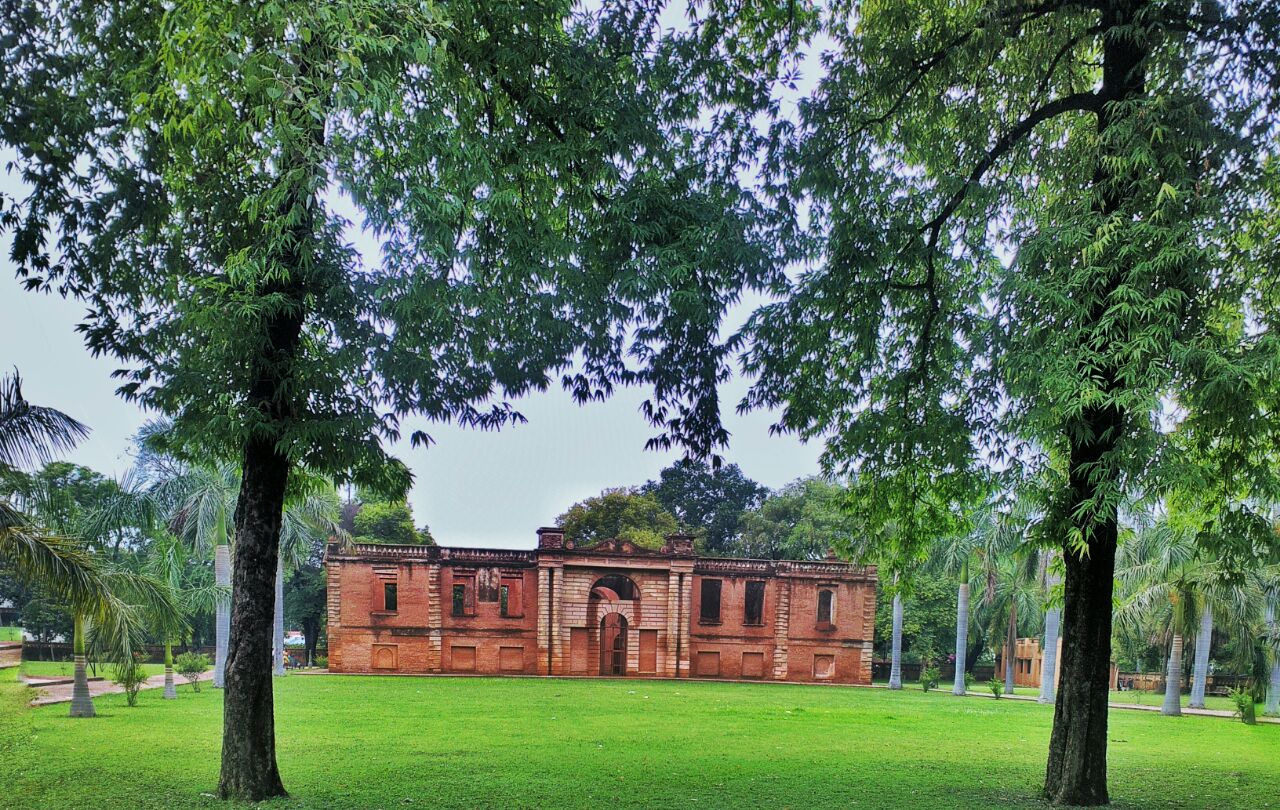
Environmental Concerns and Sustainability Efforts
Like many rapidly urbanizing cities, Lucknow faces its share of environmental challenges. Air pollution, primarily from vehicular emissions and industrial activities, is a growing concern. The health of the Gomti River is another critical issue, with efforts underway for its rejuvenation and pollution control. The local administration, under the Smart Cities Mission, is implementing various initiatives to promote sustainable practices, improve waste management, and enhance urban green infrastructure. These efforts are vital for ensuring a healthy and livable environment for future generations.
Learn about Modern Lucknow's Development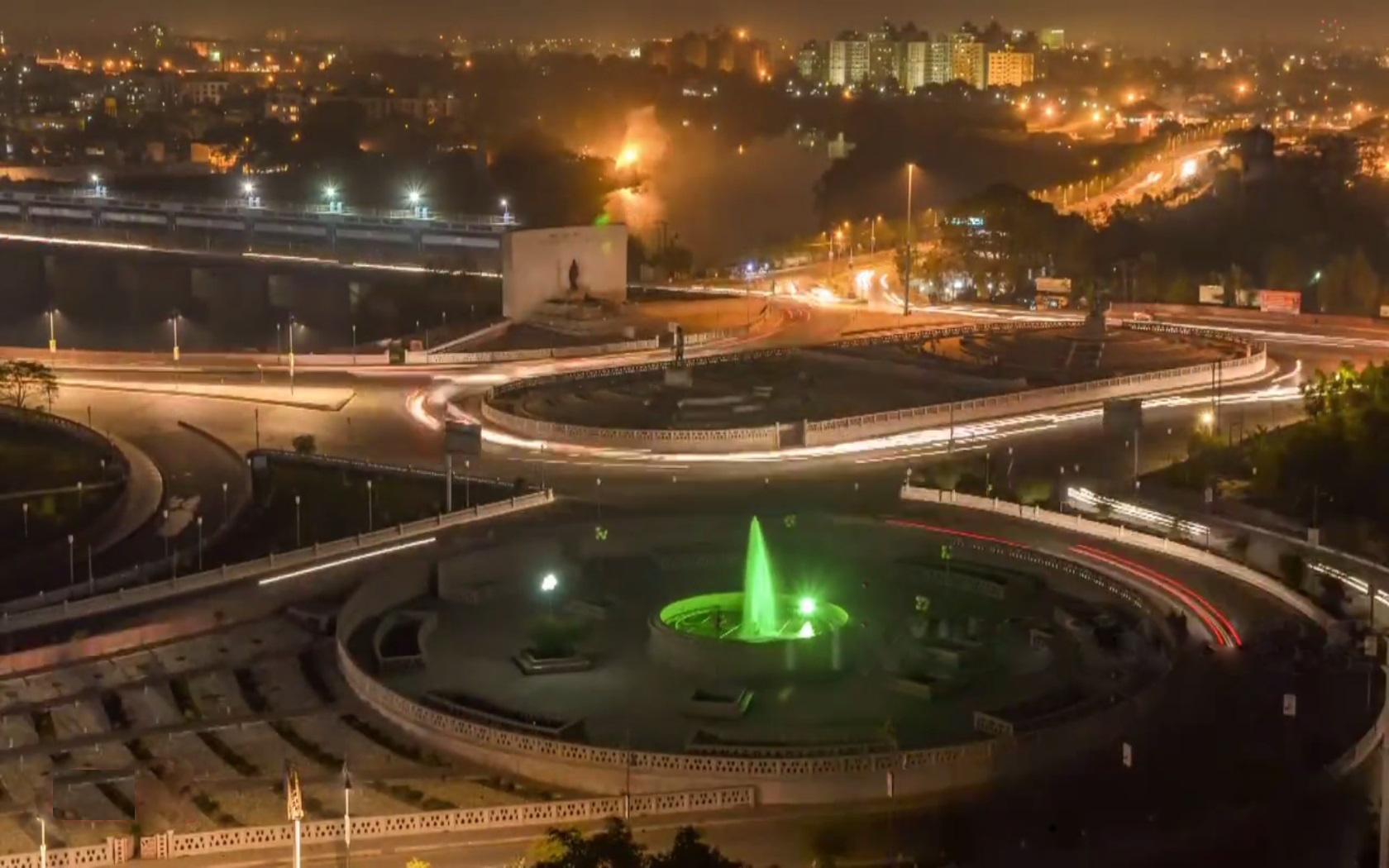
Shaping Urban Life and Culture
Lucknow's geography and climate have profoundly influenced its historical development and the lifestyle of its inhabitants. The fertile land supported flourishing agriculture, which was the backbone of the Awadh economy and contributed to the region's prosperity. The river facilitated early settlements and trade routes. The extreme summer heat historically led to architectural adaptations, such as high ceilings, courtyards, and thick walls, designed to keep interiors cool. Even today, the pleasant winters are a highlight, drawing tourists and enabling outdoor cultural events. The monsoon, while challenging, is celebrated as it rejuvenates the landscape and brings relief, deeply impacting local festivals and daily rhythms.
Discover Lucknow's Culture