
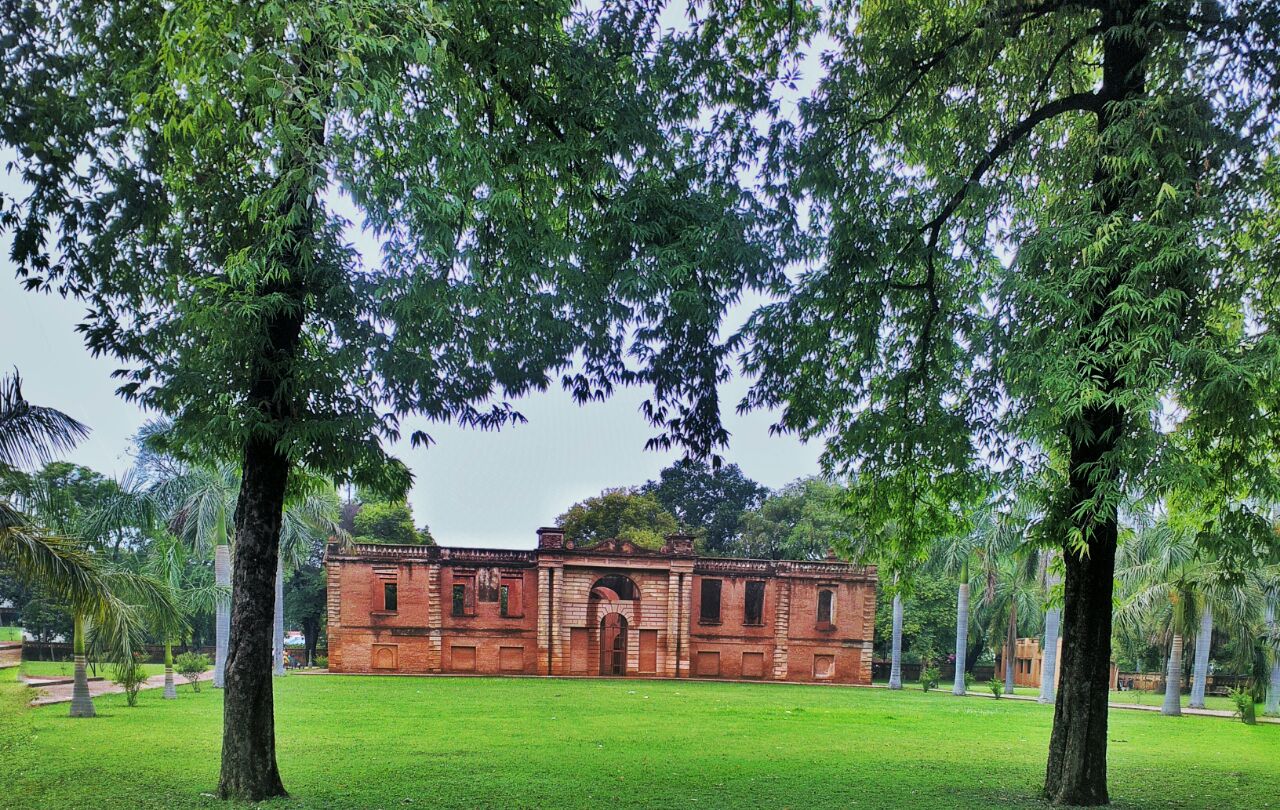
About Dilkusha Garden
Dilkusha Garden is a distinctive historic landscape in Lucknow’s Cantonment area, known for the remains of Dilkusha Kothi. The surviving structure is often associated with an English-style country house and the history of the Nawabi period, followed by the upheaval of 1857. Unlike a modern ornamental park, its appeal lies in the contrast between open lawns, trees and the weathered outline of a once-grand building.
The garden rewards a slower visit. Rather than expecting restored interiors or a full museum-style interpretation, look at the ruin as a fragment of the city’s built history and consider how time, conflict and weather have reshaped the site. The grounds create a quieter atmosphere than the busy central roads, but the historic fabric must be treated carefully. Visitors should not climb on masonry, cross barriers or disturb protected areas to obtain a photograph.
Dilkusha is in a Cantonment setting, so access rules may be more changeable than those of a typical municipal park. Check whether the grounds are open to the public on the day you plan to visit and follow any security, photography or vehicle instructions. Do not rely on a third-party map listing alone if travelling from far away. A short heritage visit in daylight is preferable, with enough time to leave before the access window closes.
Highlights and things to do
- Remains of Dilkusha Kothi within a garden setting
- A layered story connected to Nawabi Lucknow and 1857
- Mature greenery and open lawns
- A quieter heritage stop away from commercial streets
- Opportunities for architectural and landscape photography where permitted
Timings, entry fee and tickets
Local listings show morning and late-afternoon access windows, but Cantonment and heritage access may change. Verify before visiting.
Entry arrangements can depend on current access and site management. Confirm any fee and restrictions before travelling.
Bibiapur Marg, Dilkusha Cantonment area, Lucknow, Lucknow, Uttar Pradesh
45 minutes–1.5 hours
How to reach Dilkusha Garden
Search for “Dilkusha Garden / Dilkusha Kothi, Bibiapur Marg, Lucknow” and verify current public access before departure. App cabs and private vehicles can reach the broader Cantonment area, but security and road restrictions may affect the final approach. Follow directions from authorised staff and do not attempt to enter through a closed gate. If visiting with a driver, agree on a legal pick-up location outside restricted areas.
Facilities available to visitors
Facilities may be limited compared with a modern public park. Confirm entry, toilets, drinking water, seating, parking and accessibility before setting out. Do not assume that refreshments are available inside the grounds. Historic ruins can have uneven surfaces and restricted zones; use designated paths and follow notices from the site manager.
Best time to visit and practical tips
Choose daylight hours and confirm the access window in advance. Cooler months are more comfortable for exploring the grounds; after rain, watch for slippery surfaces around the ruins. Wear sturdy footwear and keep a respectful distance from damaged walls. Photography should never require climbing, crossing barriers or obstructing other visitors.
Who will enjoy this park most?
History lovers, architecture enthusiasts, photographers and visitors interested in Lucknow’s layered heritage.
Nearby places and itinerary ideas
The Cantonment and Dilkusha area can be combined with other heritage stops only after checking travel routes and access rules. For a more conventional landscaped outing, compare it with Janeshwar Mishra Park or Lohia Park.
Explore the Lucknow tourist places guide or return to the parks in Lucknow directory to compare nearby green spaces.
Frequently asked questions
What is Dilkusha Garden known for?
It is known for the historic remains of Dilkusha Kothi within a garden landscape.
Is it always open to the public?
Access can be affected by site management and Cantonment restrictions. Verify current public entry before travelling.
Can visitors enter or climb the ruins?
Only enter areas explicitly open to visitors. Do not climb masonry or cross protective barriers.
Is there an entry fee?
Current entry arrangements should be confirmed with the site manager or at the gate.