
The Grand Tapestry of Lucknow's History
Journey through centuries of empires, nawabs, and resilience that shaped the soul of Lucknow.
Explore ErasA Chronicle of Lucknow
Lucknow's history is as rich and intricate as its famous Chikan embroidery. From ancient settlements to its golden age under the Nawabs, and its crucial role in modern Indian history, the city has witnessed a remarkable evolution. This page provides a detailed look into the pivotal periods that define Lucknow.
The Ancient Origins
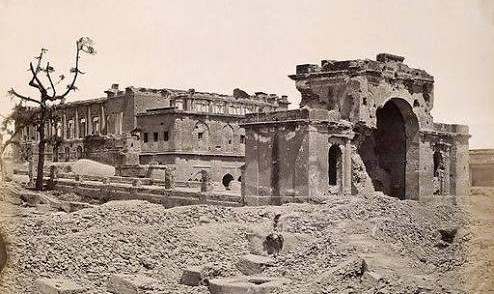
While much of Lucknow's documented history begins with the Mughals, archaeological findings suggest human habitation in the region dates back to ancient times. Legends link the city to Lakshmana, the brother of Lord Rama, indicating its deep roots in Hindu mythology and ancient Indian civilization. Early settlements along the Gomti River formed the foundation for what would become a prominent urban center.
Read More on Ancient Lucknow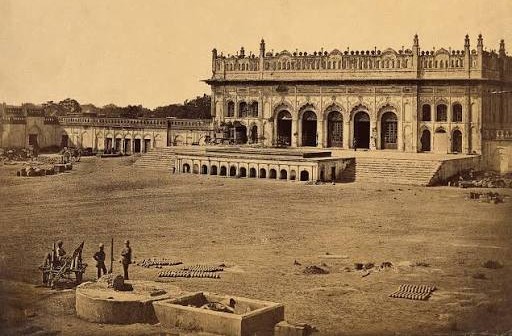
Under the Mughal Empire
Lucknow gained significant prominence during the Mughal era, particularly under Emperor Akbar, who made it the seat of a subah (province). The city flourished as a center of administration and culture. Many architectural styles and urban planning elements seen today have their origins in this period, laying the groundwork for the later Nawabi grandeur.
Explore Mughal Lucknow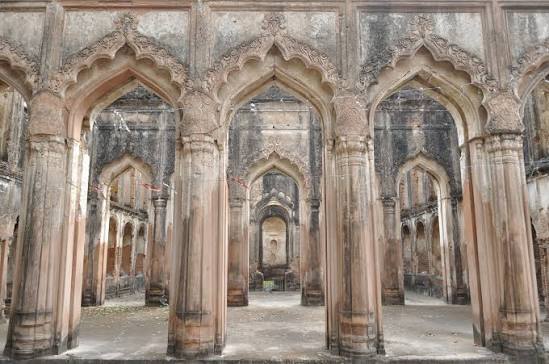
The Nawabi Era: Zenith of Culture
The 18th and 19th centuries marked Lucknow's golden age under the Nawabs of Awadh. This period saw an unparalleled flourishing of art, architecture, music, dance, and cuisine. The Nawabs, known for their refined tastes, transformed Lucknow into a cultural hub, giving it the epithet 'City of Nawabs' and 'Shiraz-e-Hind'. Iconic structures like Bara Imambara and Rumi Darwaza were built during this time.
Discover the Nawabi Legacy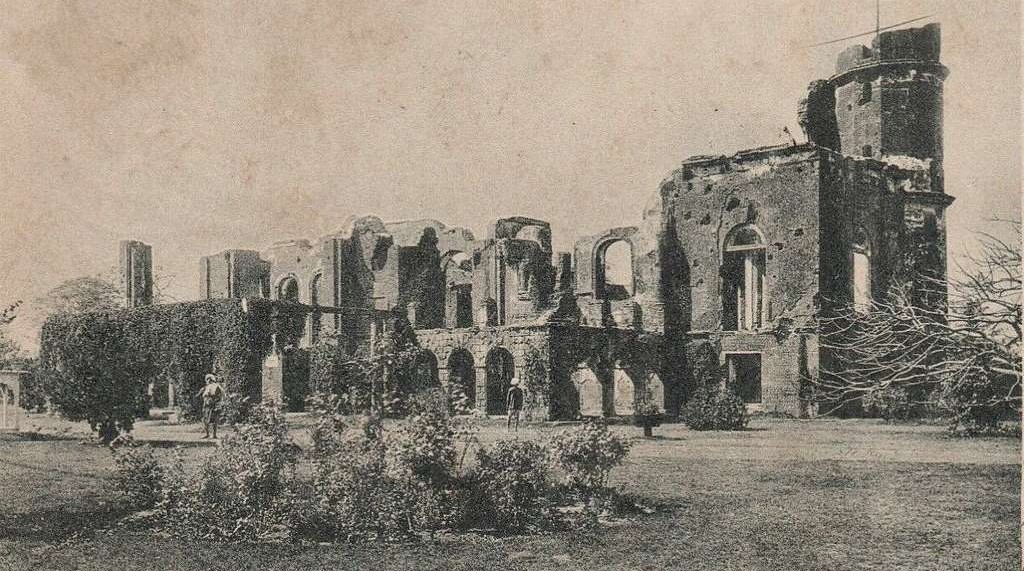
British Annexation & The 1857 Rebellion
The British East India Company annexed Awadh in 1856, leading to widespread discontent. Lucknow became a major center of the Indian Rebellion of 1857, witnessing fierce battles, particularly around the Residency. The city's resistance against colonial rule is a significant chapter in India's freedom struggle.
Learn About the Rebellion
Modern Lucknow: Growth & Development
After India gained independence in 1947, Lucknow continued to evolve. It became the capital of Uttar Pradesh and has since undergone significant development in infrastructure, education, and industry, while striving to preserve its unique cultural identity and historical charm.
Discover Modern Lucknow